
AI vs Riffusion AI
One Makes Images, One Makes Music
The honest answer to the AI vs Riffusion AI comparison is that they are not competitors. Riffusion AI generates songs. AI Banana generates images. The confusion is understandable — Riffusion was famously built on an image model, drawing spectrograms and turning them into sound — but if you need cover art, a poster, or any other picture, only one of these tools will give you a file you can look at. Here is exactly what each one does, and the workflow that uses both.
Try the AI Image Generation Side — Free
Pick the artwork format your release needs, describe the mood of the record, and get a finished image in seconds
AI Music Artwork Generator
Choose an artwork format and describe the sound — the AI renders the visual half of your release
AI vs Riffusion AI: Feature by Feature
An image tool comparison where the honest headline is that the two tools barely overlap
| Capability | AI Banana | Riffusion AI |
|---|---|---|
| What it outputs | Still images — PNG up to 4K | Audio — full songs with vocals and instrumentals |
| Underlying model | Nano Banana Pro | Originally Stable Diffusion on spectrograms, later FUZZ |
| Text to image | Yes — the core function | No |
| Edit an image you upload | Yes — image to image, style transfer, multi-image edits | No |
| Legible text inside the image | Yes — usable for covers, posters and banners | No |
| Character and product consistency | Yes — the same subject across a whole set | Not applicable |
| Music generation | No — images only, by design | Yes — this is its entire purpose |
| Status in 2026 | Live at aibanana.net | Rebranded twice — now Google Flow Music |
| Free tier | Yes — no credit card, no signup wall | Was free in public beta; now priced by Google |
| Paid plans from | $2.99 | Varies by tier since the acquisition |
Riffusion details reflect the product as of August 2026, after its move to Producer.ai and acquisition by Google. Check the current product for live pricing.
What the AI Image Generation Side Produces
Covers, posters, and banners generated from a description of the music
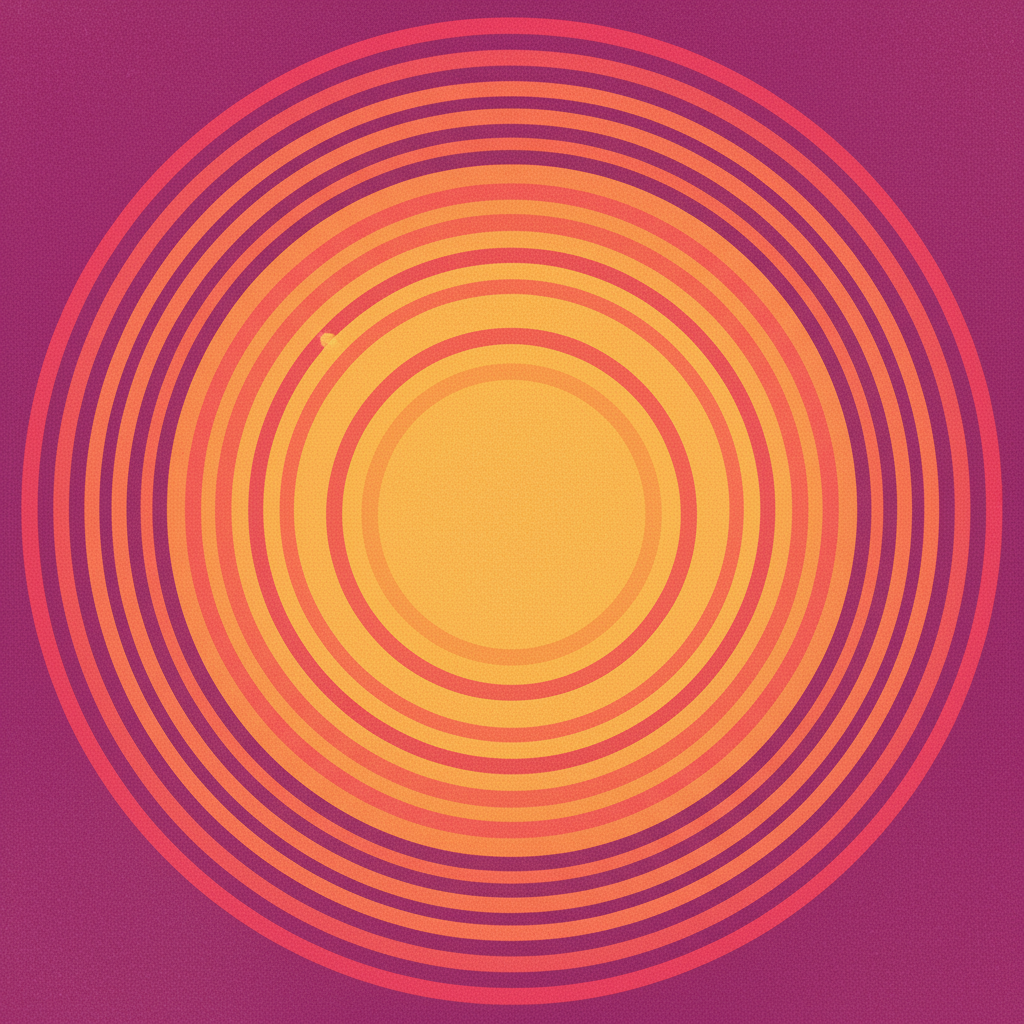
Sound Wave Poster
ALBUM COVER ART
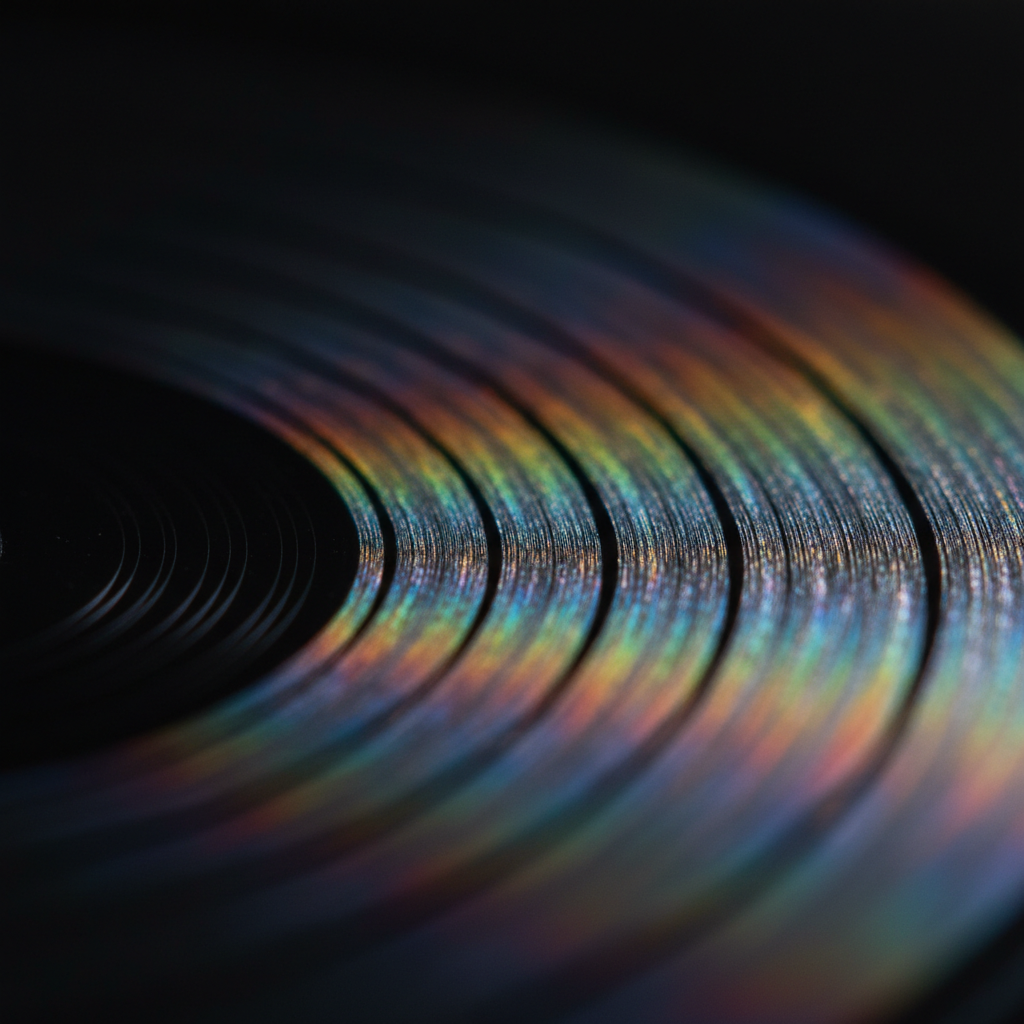
Vinyl Groove Macro
SINGLE ARTWORK
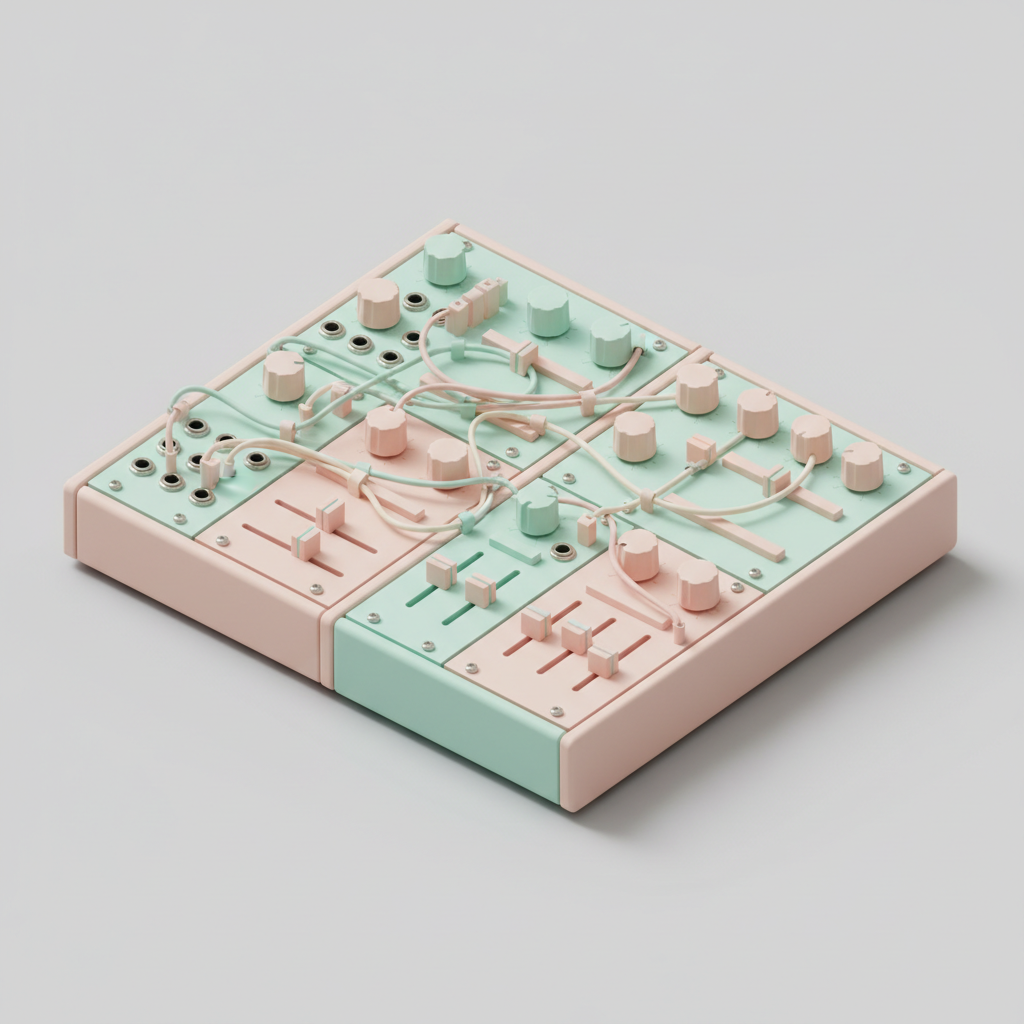
Modular Synth Rack
ARTIST BANNER
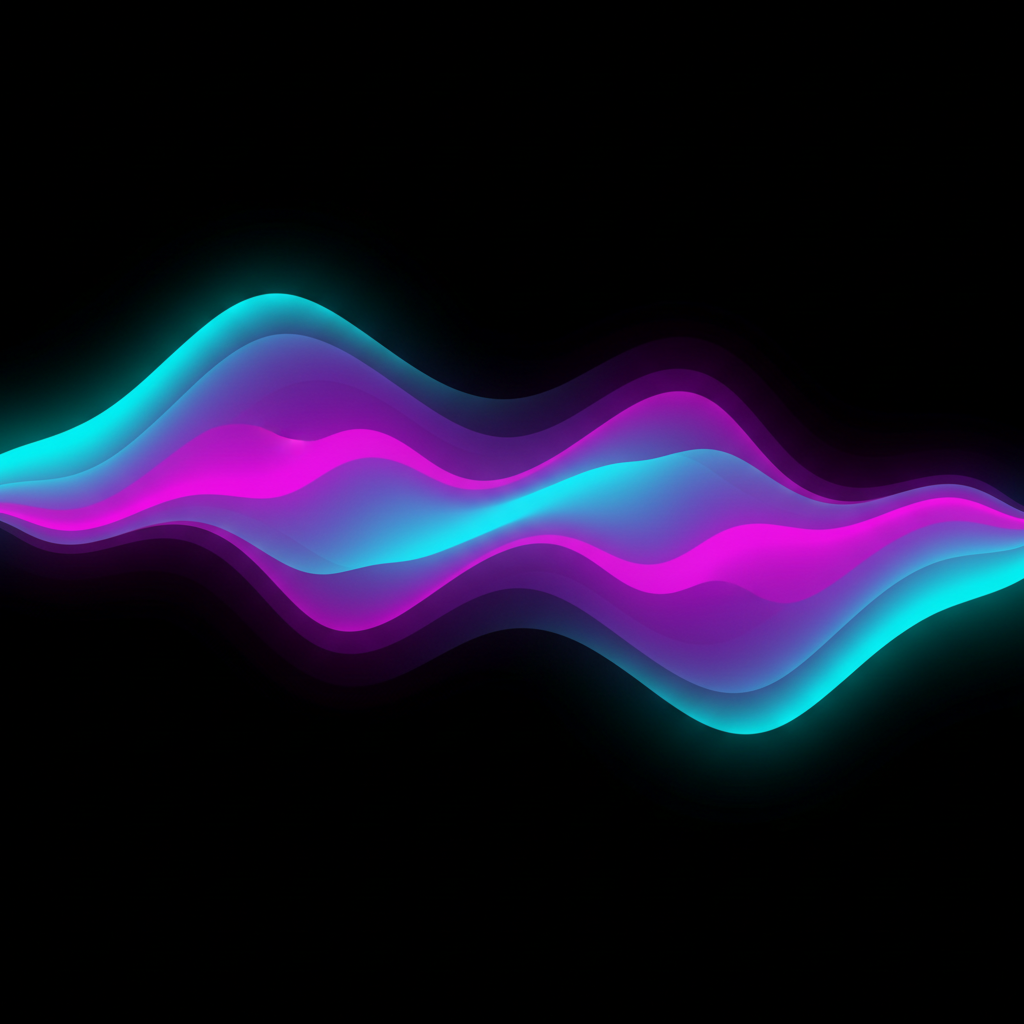
Waveform Ribbons
SPECTROGRAM ART
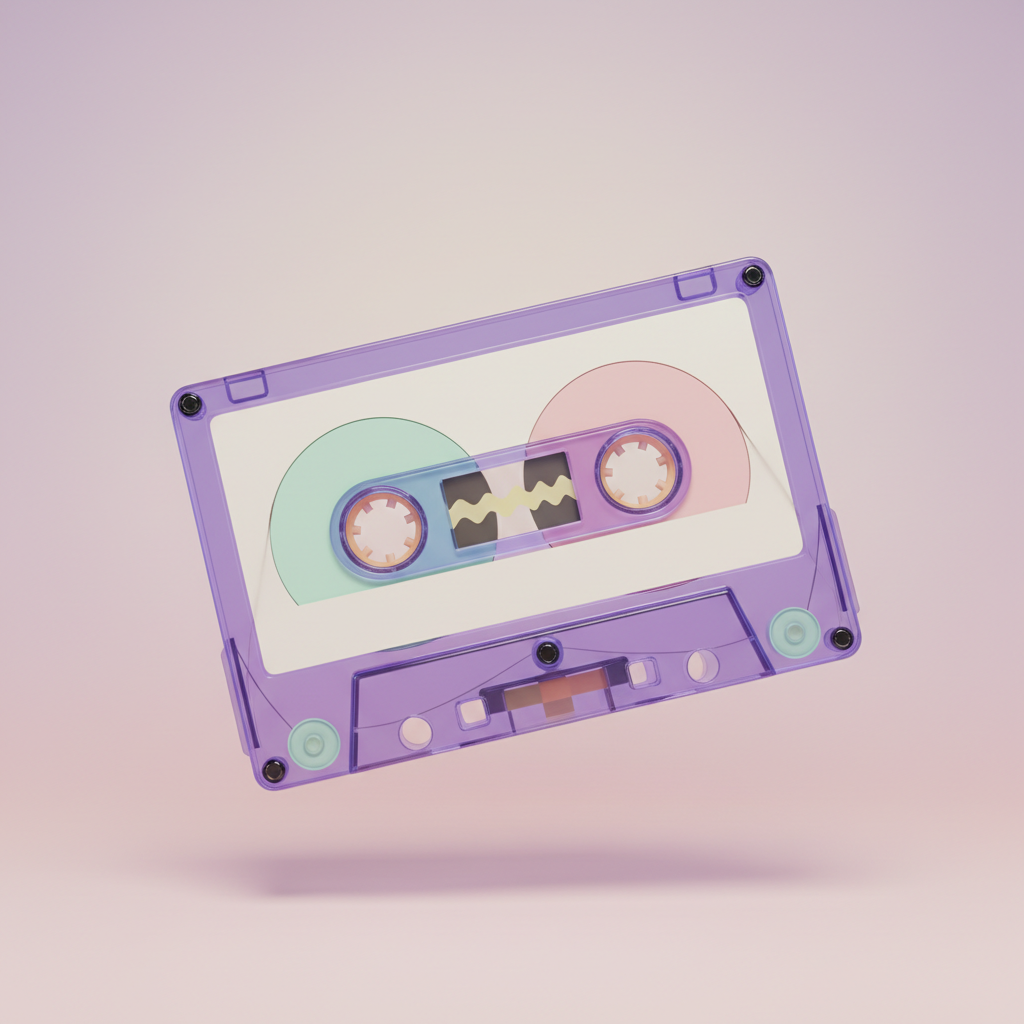
Retro Cassette
PLAYLIST COVER
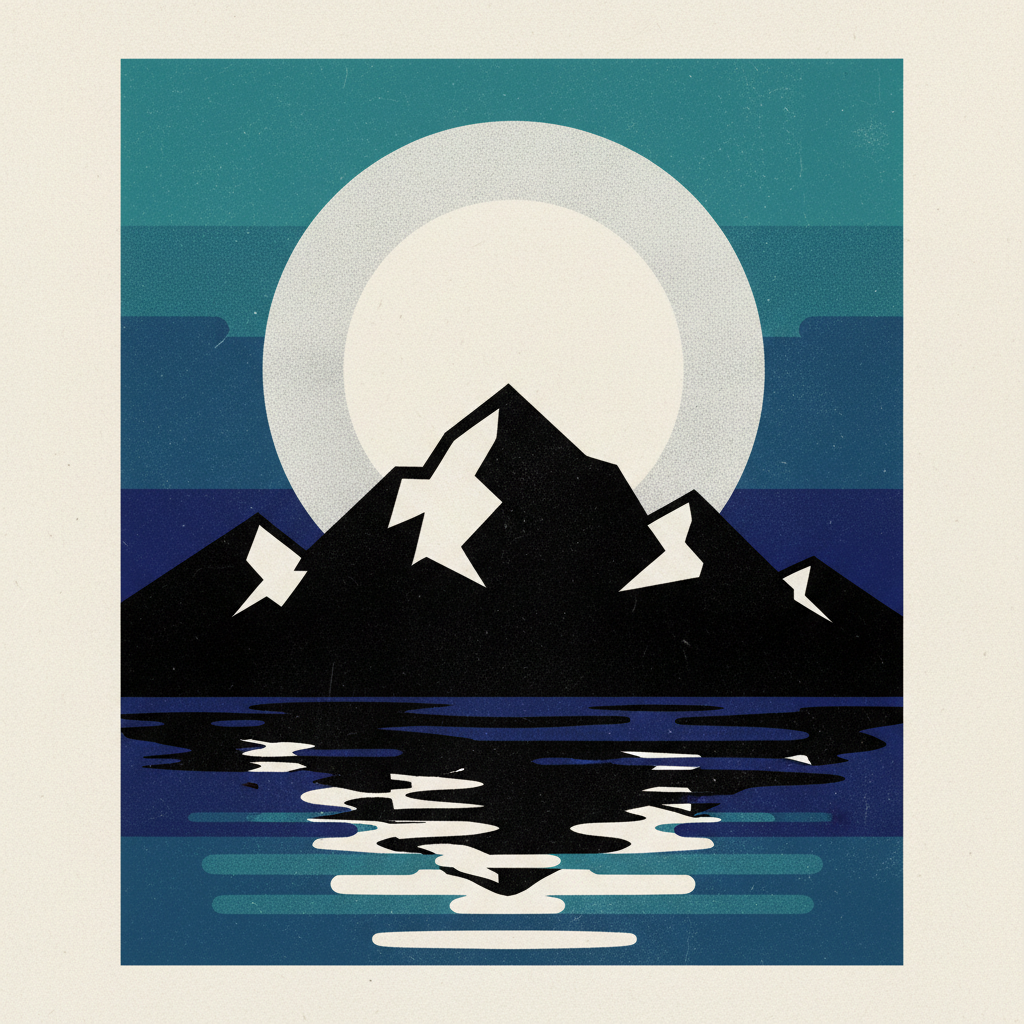
Moonlit Range Poster
TOUR POSTER
Why Riffusion AI Gets Compared to Image Tools
The two modalities really do share an ancestor
It Started as an Image Model
Riffusion appeared in December 2022 as an open-source side project by Seth Forsgren and Hayk Martiros. It fine-tuned Stable Diffusion — an image model — to draw spectrograms, the picture of a sound across time and frequency, then converted those pictures back into audio. The output was music; the machinery underneath was drawing.
Then It Went All-In on Audio
The spectrogram trick was a clever proof of concept, not a long-term architecture. The team moved to purpose-built audio models — FUZZ entered public beta in early 2025 — and relaunched as Producer.ai that July. By then the image lineage was history, and the Riffusion AI features people cared about were all about songwriting.
And Then It Changed Name Twice
Google acquired Producer.ai in February 2026 and folded the team into Google Labs; the product was renamed Google Flow Music that April. Visit riffusion.com today and you will be redirected. If you searched for Riffusion and landed somewhere unfamiliar, that is why — the music tool survived, the brand did not.
What AI Banana Brings to the Visual Half
The AI capabilities that matter once you have a track and need a look for it
Built for Pictures, Not Spectrograms
Riffusion drew spectrograms because they were a route to sound — nobody was meant to hang one on a wall. AI Banana renders images as the finished product: composition, palette, lighting, and grain are all part of what the model is optimising for. That is the practical difference behind the AI vs Riffusion AI question, and it shows the moment you look at the output at full size.
Legible Text Inside the Image
Most AI image generation still renders lettering as convincing gibberish, which is fatal for cover art and posters. Nano Banana Pro is one of the few models that places readable words in a composition. For a release title across the top of a single cover or a date strip along the bottom of a tour poster, that removes an entire round-trip through a design tool.
One Look Across a Whole Release
A single cover is easy. A cover, three single artworks, an artist banner, and six promo crops that all look like the same release is the hard part. Character and style consistency keeps the palette, texture, and subject stable across a set, so the visual identity holds together instead of drifting image by image.
Every Format a Release Needs
Distributors want 3000×3000. Streaming thumbnails render small. Stories and Reels are 9:16. Bandcamp headers are wide. Generate one 4K master and crop it into each format rather than regenerating and hoping the mood matches. These digital art tools are set up for the whole package, not a single hero image.
Presets Tuned to Music Visuals
The six presets on this page are album cover, single artwork, playlist cover, spectrogram art, tour poster, and artist banner. Each already carries the medium, palette discipline, and composition conventions that genre of artwork depends on, so you describe the mood of the record and skip the prompt engineering.
Free to Start, $2.99 to Ship
Generate your first images completely free with trial credits — no credit card, no signup wall. Paid plans start at $2.99 and unlock higher volume, 4K resolution, watermark-free downloads, and full commercial rights for released records, merch, tour posters, playlist covers, and paid promotion.
The Workflow That Uses Both
Generate the track in a music tool, build the visual package here
The Verdict on AI vs Riffusion AI
Choose AI Banana when you need an image
Cover art, single artwork, playlist covers, tour posters, artist banners, visualiser frames, merch graphics — anything you look at rather than listen to. You get 4K output, legible in-image text, consistency across a set, and editing of photos you upload. Free to try, $2.99 to ship commercially.
Choose a music model when you need audio
If you came here wanting a song, an instrumental, or a vocal take, AI Banana is the wrong tool and we would rather say so. Riffusion's successor is now Google Flow Music; Suno, Udio, and Stable Audio are the other names in that category. Come back for the artwork afterwards.
Most people running this comparison are making a record and need both halves. The pairing is the point: generate the track in one tool, generate the look in the other, and neither one has to pretend to be good at the other's job.
Frequently Asked Questions
Everything you need to know about AI vs Riffusion AI
Got the Track. Need the Cover?
Join 1,600+ artists and labels using AI Banana for the visual half of a release. Pick an artwork format, describe how the record sounds, and download a 4K cover in seconds — free to try, no credit card, no signup wall.
AI vs Riffusion AI: An Image Tool Comparison Worth Making Precisely
Search for AI vs Riffusion AI and you will find a lot of pages that quietly avoid the central fact: Riffusion AI is a music generator. It does not produce pictures for you, it never advertised digital art tools, and no feature table can turn it into an image generator. AI Banana is the opposite — an AI image generation platform built on Nano Banana Pro, producing stills up to 4K from a written description or an uploaded photo. Setting the two side by side is useful, but only if the comparison is honest about which modality each one occupies.
The confusion has a real origin. When Riffusion launched in December 2022 it was a fine-tune of Stable Diffusion, an image model, taught to draw spectrograms — the visual representation of audio across time and frequency — which were then converted into sound. For a brief period the most talked-about music AI on the internet was technically an image generator, and that framing stuck to the name. The team later moved to purpose-built audio models, relaunched as Producer.ai in July 2025, was acquired by Google in February 2026, and became Google Flow Music in April 2026. riffusion.com now redirects. The Riffusion AI features that made the news live on under a different banner; the image-model ancestry is a footnote.
What that leaves is a genuinely useful division of labour rather than a contest. A release needs audio and it needs artwork, and the AI capabilities behind each are different enough that specialised tools comfortably beat generalists. On the visual side that means cover art that still reads at thumbnail size, a run of single artworks that visibly belong to the same record, tour posters with space left for real typography, artist banners cropped for four different platforms, and abstract spectrogram frames for lyric videos. Legible in-image text and subject consistency across a set are the two AI image generation capabilities that turn a nice picture into a usable release package, and they are exactly where most image models still fall down. If you want a comparison against tools that actually compete with AI Banana, our AI art vs Midjourney and AI image generator vs DALL·E pages do that properly.
Start with the generator above — AI Banana is free to try, with no credit card and no signup wall. Choose album cover, single artwork, playlist cover, spectrogram art, tour poster, or artist banner, describe how the music sounds rather than what the picture should contain, and download a high-resolution result with no watermark. Paid plans start at $2.99 and unlock higher volume, 4K output, and full commercial rights for released records, merch, printed posters, playlist covers, and paid promotion. Generate your music with a music model; generate everything anyone sees with AI Banana.
More AI Tools
Compare AI Banana against the tools that actually generate images