AI Image Generator vs DALL-E
Almost every AI image generator vs DALL-E comparison online is comparing against a model that no longer runs. OpenAI shut the DALL·E 2 and DALL·E 3 API down on 12 May 2026, and replaced it inside ChatGPT months before that. This page covers what actually changed, where DALL·E was genuinely limited, and how a current generator compares on the things that decide real work — resolution, editing, text rendering and price. The generator below is free to test, so you can judge it on your own prompts.
Generate An Image Freedall-e-2anddall-e-3API snapshots on 12 May 2026, pointing developers at gpt-image-2, gpt-image-1 or gpt-image-1-mini instead. Inside ChatGPT the change happened in December 2025, when native GPT-4o image generation took over. So the honest framing of AI image generator vs DALL-E in 2026 is not which one wins — it is what to use now that the original is gone, and which of its limitations you no longer have to work around. AI Banana is not affiliated with OpenAI.Try It Now — Free
Six presets covering the ground DALL·E was most used for. Pick one, add your own detail, and compare the result against what you remember getting — no account needed.
AI Image Generator
Choose a style, describe your image, and get a 4K result in about fifteen seconds
What A Current AI Image Generator Produces
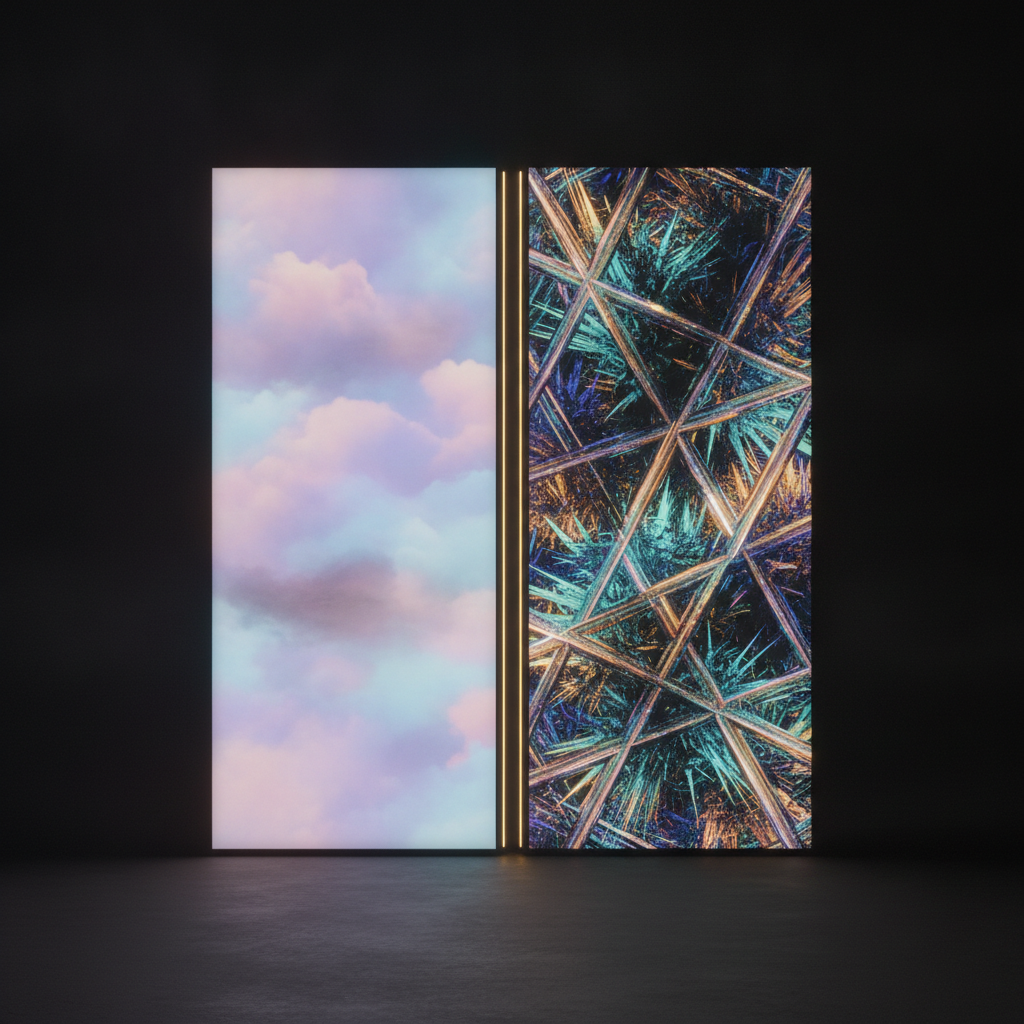
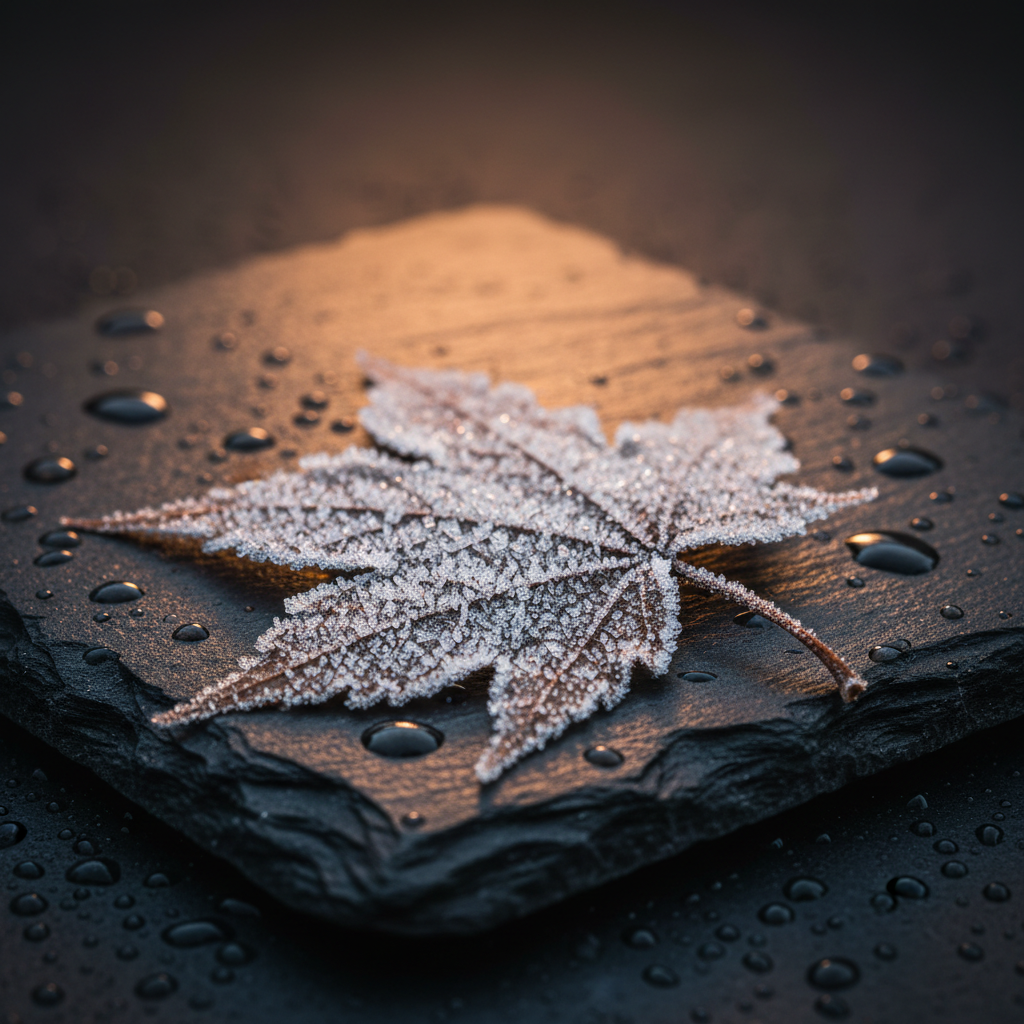
Photoreal macro, concept art, commercial product work and abstract pieces — all generated at a resolution DALL·E 3 could not reach.
Same Prompt, Different Ceiling
Detail That Survives A Crop
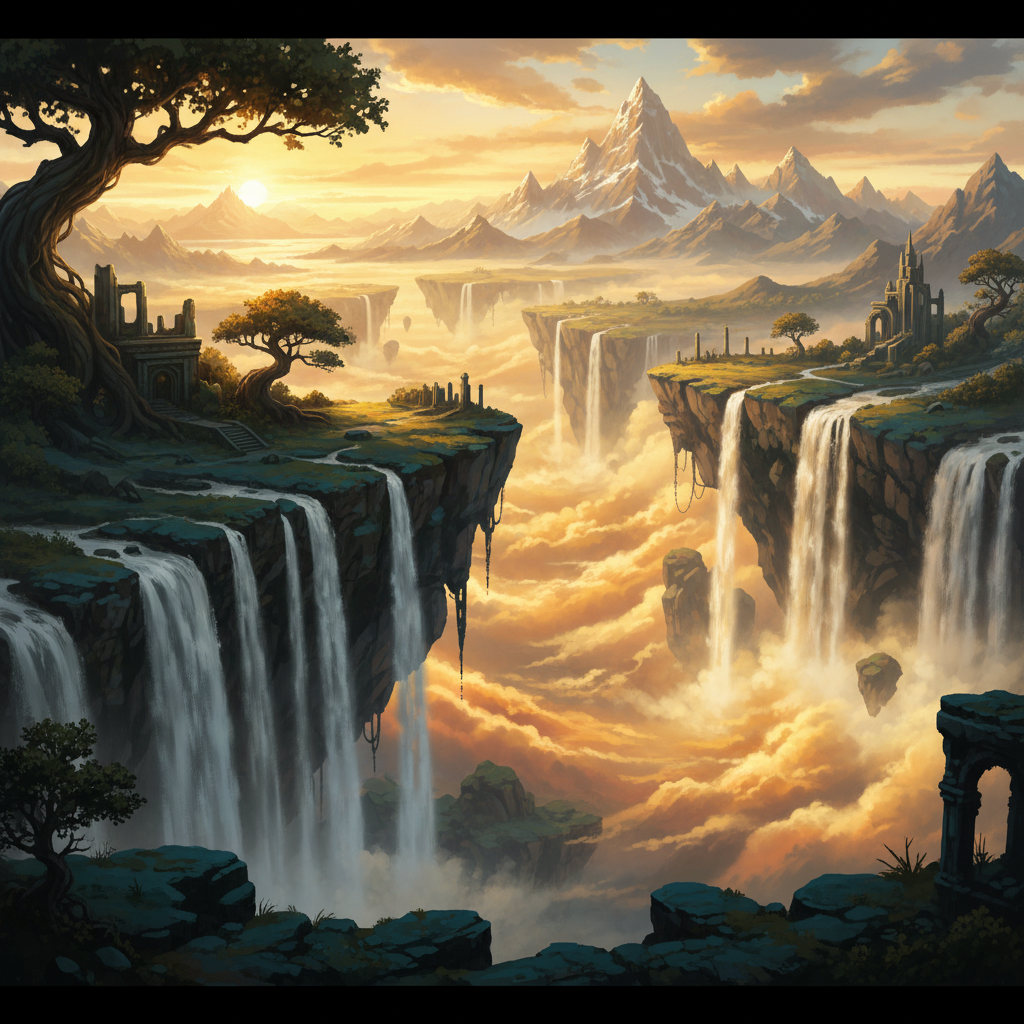
Illustration And Concept Art
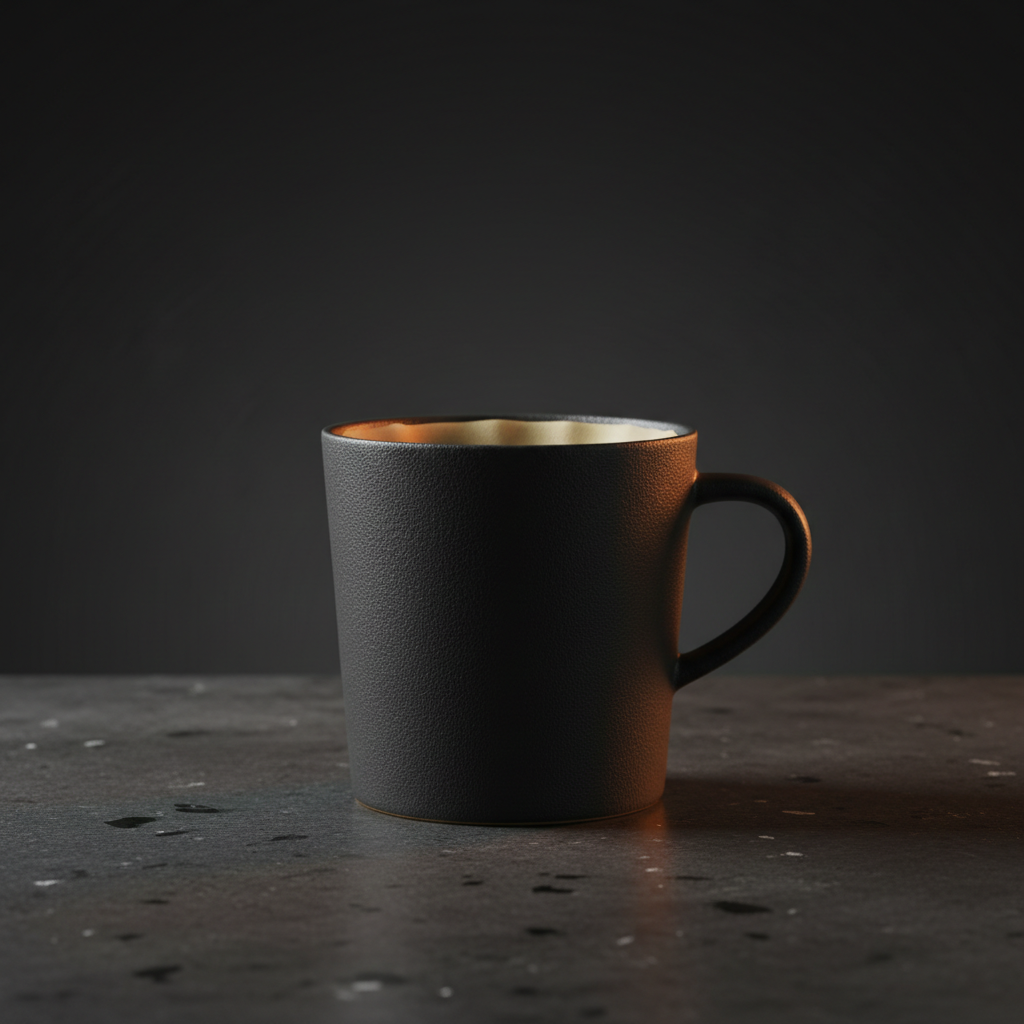
Commercial Product Work
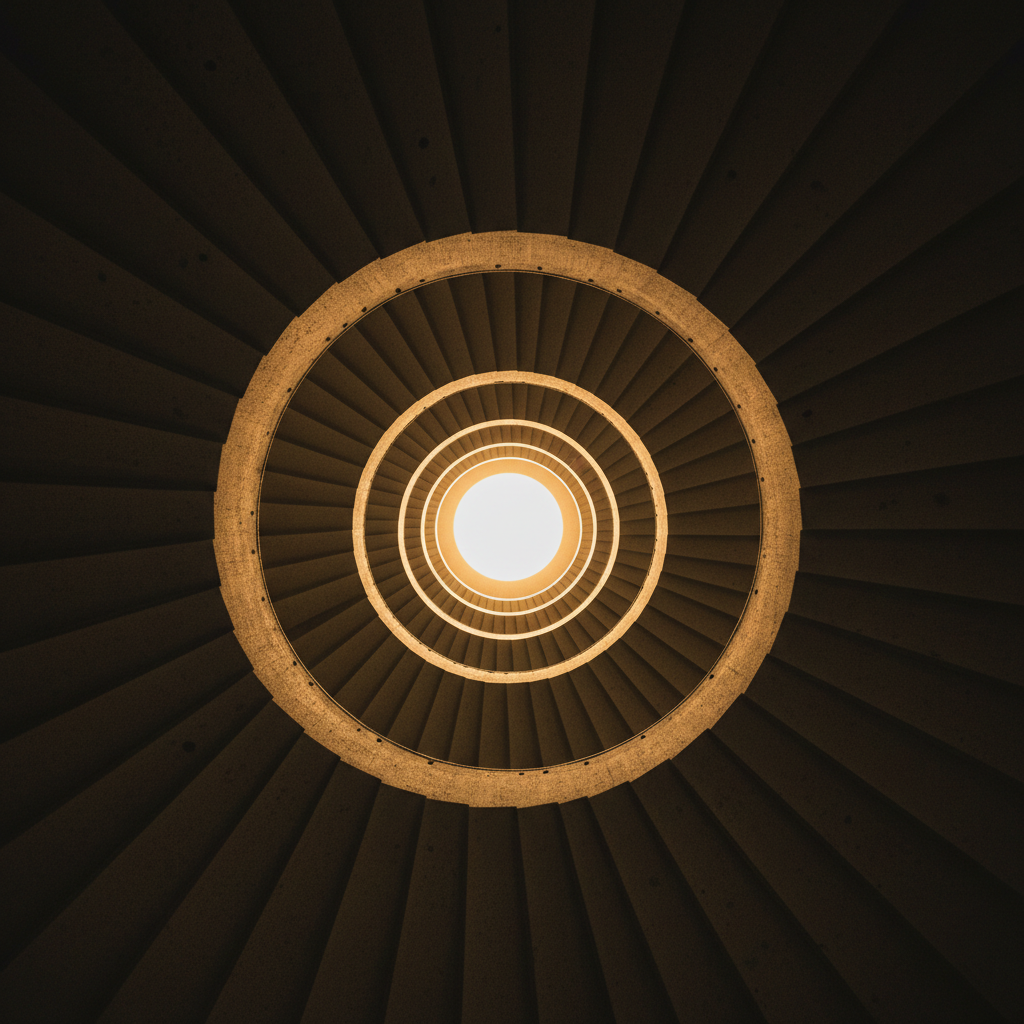
Composition You Can Direct
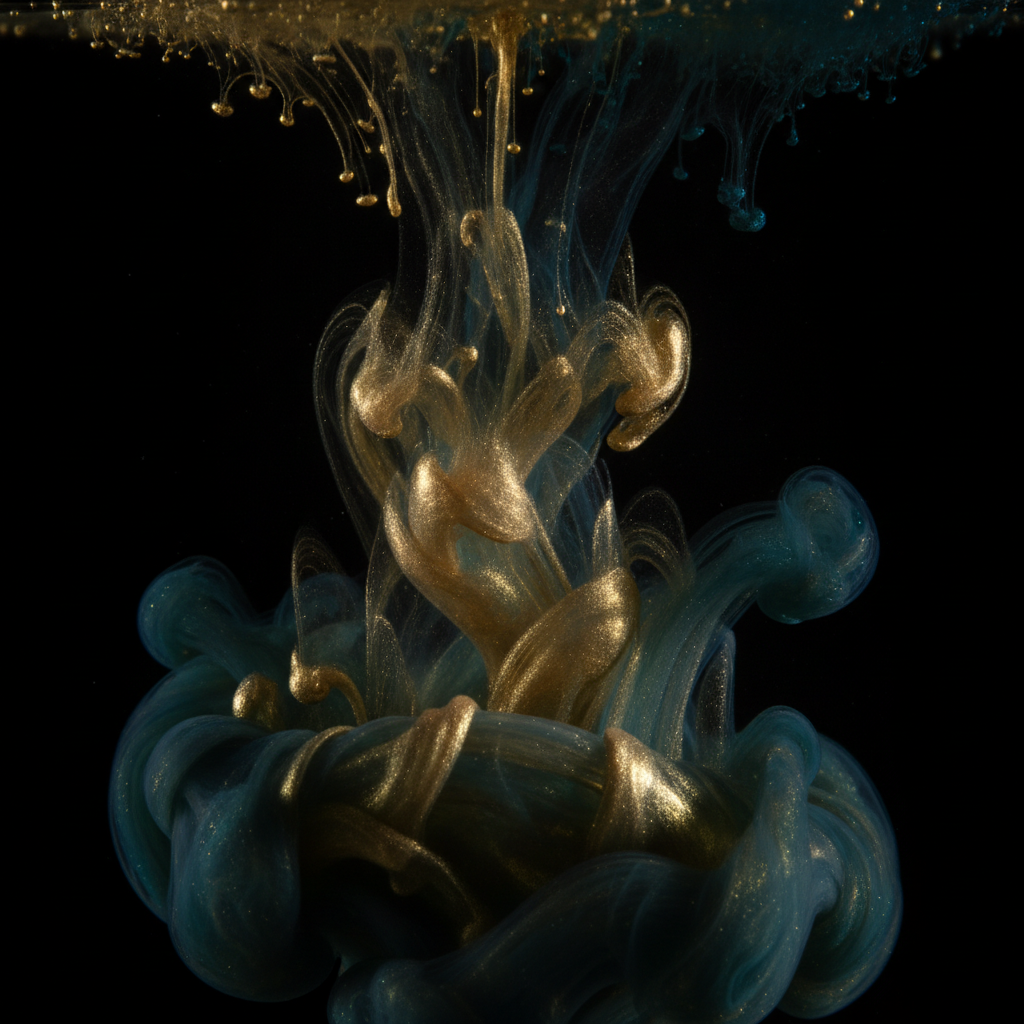
Abstract And Experimental
What Happened To DALL-E
The wind-down ran over about eighteen months, and most of it was quiet enough that plenty of people are still unaware it happened.
Deprecation announced
OpenAI notified developers that the dall-e-2 and dall-e-3 API snapshots would be removed, giving roughly six months of notice before the endpoint stopped answering.
ChatGPT switched underneath
Native GPT-4o image generation replaced DALL·E 3 inside ChatGPT. Most people never noticed the swap, which is why so many still describe the images they make there as DALL·E output.
GPT Image 2 became current
OpenAI’s current image model landed, superseding both DALL·E 3 and the interim GPT Image 1.5. Native 2K generation, markedly better text rendering, and real editing support.
The API went dark
DALL·E 2 and DALL·E 3 stopped responding to API calls entirely. Any integration still pointing at those model strings began failing that day, with no fallback path.
AI Image Generator vs DALL-E, Feature By Feature
DALL·E 3 as it stood when the API was switched off, against what a current generator does. Several of these are capability gaps rather than quality differences.
| Factor | DALL·E 3 (retired) | Nano Banana Pro on AI Banana |
|---|---|---|
| Availability today | Retired — API shut down 12 May 2026 | Live, no waitlist |
| Maximum resolution | 1024×1024, or 1792×1024 wide | Up to 4K |
| Edit an existing image | No — DALL·E 3 dropped the edit endpoint | Yes, native image-to-image |
| Text inside images | Unreliable, a known weakness | A specific strength |
| Character consistency | No mechanism for it | Supported across a series |
| Prompt handling | Auto-rewritten before generation | Sent through as written |
| Access route | ChatGPT Plus $20/mo, or per-image API | Browser, no install — plans from $2.99 |
| Free trial | Not on the retired model | Yes, on this page |
| Best for | Nothing now — pick a successor | Production stills you need at full size |
For fairness: DALL·E 3’s successors closed most of these gaps. GPT Image 2 generates at native 2K, renders text far more reliably and supports editing. If you are choosing between current models rather than mourning a retired one, compare those instead — and compare them on your own prompts.
Which One You Should Actually Use
The answer depends far more on what you are making than on any headline benchmark.
No account, no install, no subscription decision to make first. This was always the weakest argument for a $20 monthly plan — if you generate a handful of images a month, a per-use tool is simply better value, and now that the DALL·E route is closed there is no reason to route through a subscription to get one picture.
Switching the model string to gpt-image-2 is the smallest diff and keeps your billing where it is. But you are rewriting that call regardless, and switching costs are never lower than when the integration is already broken — so it is worth spending an hour comparing output on your own prompts before defaulting to the in-house successor.
DALL·E 3’s 1024-pixel ceiling meant an upscaling pass for anything destined for print, a full-bleed banner or a product page hero. Generating at 4K directly removes a whole step and the artefacts that step introduces. If your output is always small and web-bound this matters less than the comparison tables suggest.
Signage, packaging labels, poster copy and UI mockups all depend on legible text, and DALL·E 3 mangled it often enough that most people composited type on afterwards. Both GPT Image 2 and Nano Banana Pro are substantially better here — this is one of the clearest generational improvements across the whole field.
Storyboards, product ranges, brand mascots and comic panels all need the same subject recognisable frame to frame. DALL·E 3 had no mechanism for this, so people resorted to elaborate prompt scaffolding and accepted the drift. If this is your job, consistency support matters more than any single-image quality comparison.
Swapping a background, fixing the lighting, cleaning up a product shot — all of it needs a model that accepts an image as input. DALL·E 3 could not do this at all; you regenerated from text and accepted that everything else moved too. Upload-and-describe is a fundamentally different workflow, not a marginally better one.
How To Run Your Own AI Image Generator vs DALL-E Test
Three steps, no account, and far more informative than reading someone else’s comparison.
Pick The Kind Of Image You Need
Six presets covering the ground DALL·E was most used for — photoreal scenes, illustration, product shots, concept art, logos and abstract work. Each one carries a fully written prompt behind it, so you are not starting from a blank box.
Add Your Own Detail
Describe the subject, the mood, the colours, whatever matters for your specific image. Your wording is sent through as written rather than expanded and reinterpreted first, so what you asked for is what the model receives.
Generate And Judge For Yourself
The result comes back in roughly fifteen seconds at up to 4K. Run the prompt you used to send to DALL·E and compare honestly — a benchmark written against someone else’s prompts tells you very little about your own work.
Reuse a prompt you know
Test with a prompt you already ran through DALL·E and remember the result of. A familiar prompt tells you more in one generation than a fresh one does in five.
Check it at full size
Open the output at 100% rather than judging the thumbnail. Resolution and fine detail are exactly where the generational gap shows, and a small preview hides both.
Price it against your volume
A monthly subscription and per-image credits cross over at a specific number. Work out roughly how many images a month you actually make before comparing the headline prices.
The Limitations You No Longer Work Around
Each of these was a genuine constraint people built workarounds for during the DALL·E era. None of them are constraints now.
4K Output, Not A 1024-Pixel Ceiling
The single most dated thing about DALL·E 3 by the time it retired was its resolution cap. Anything headed for print, a full-width hero or a product page needed an upscaling pass, and upscaling invents detail that was never generated. Producing at 4K directly means the image you approve is the image you ship, at the size you need it.
Edit The Image You Already Have
DALL·E 3 was generation-only — the edit and variation endpoints that DALL·E 2 offered never carried forward. Image-to-image here means you upload a photo, describe the change in plain language, and everything you did not mention stays where it was. That is the difference between refining a result and rolling the dice again.
Text That Comes Out Readable
Rendering words inside an image was the standing joke of the DALL·E era, and the reason so many designers composited type in afterwards. Legible signage, packaging labels and poster copy are a specific design goal here, which changes what kinds of work you can finish in one pass rather than two.
The Same Character, Frame After Frame
Storyboards, brand mascots, product ranges and comic panels all fall apart if the subject changes between generations. DALL·E 3 had no answer for this and people built extraordinary prompt scaffolding trying to compensate. Consistency across a series turns a pile of unrelated images into an actual set.
Your Prompt, Unrewritten
DALL·E 3 pushed every prompt through a rewriting layer before generation. Helpful if you were vague, maddening if you were precise — two identical prompts could diverge for reasons you could not inspect. Sending the prompt through as written makes iteration predictable, which matters far more when you are converging on a specific result than when you are exploring.
Priced For Bursty, Real Usage
A $20 monthly subscription is fine at high volume and poor value for the dozen images a month most people actually make. Plans start at $2.99 and the tool on this page is free to try without an account, so you can judge output quality on your own prompts before any money is involved.
AI Image Generator vs DALL-E FAQ
Stop Reading Comparisons. Run One.
Take a prompt you used to send to DALL·E and run it here instead. Fifteen seconds and no account, and you will know more about the difference than any table on this page can tell you.
Generate An Image FreeUnderstanding AI Image Generator vs DALL-E In 2026
The premise of most AI image generator vs DALL-E articles quietly expired in 2026. OpenAI announced on 14 November 2025 that the DALL·E model snapshots would be removed from the API, and on 12 May 2026 both dall-e-2 and dall-e-3 stopped answering calls altogether, with developers directed to gpt-image-2, gpt-image-1 or gpt-image-1-mini instead. Inside ChatGPT the transition had already happened the previous December, when native GPT-4o image generation took over the image button without much announcement — which is why a great many people still describe pictures they made last month as DALL·E images. GPT Image 2 arrived in April 2026 as the current model. None of this means DALL·E was bad; it introduced an enormous number of people to generative imagery and set the expectations the rest of the field has been meeting since. It simply means that comparing anything to it today is a historical exercise unless you are doing it to work out what to switch to.
What is worth carrying forward from that comparison is the list of things DALL·E 3 could not do, because those limitations shaped how a whole generation of users worked and many people are still working around constraints that no longer apply. Resolution was the most visible: a 1024×1024 ceiling, or 1792×1024 for the wide format, meant anything headed for print or a full-width hero needed an upscaling pass that invented detail the model never generated. Text inside images was unreliable enough that designers routinely composited type on afterwards rather than trusting the render. There was no character consistency mechanism, so storyboards and product ranges drifted between frames no matter how carefully you scaffolded the prompt. DALL·E 3 also dropped the edit and variation endpoints that DALL·E 2 had offered, making it generation-only — if you wanted to change one element of an image, you regenerated everything and accepted the collateral changes. And the prompt rewriting layer, helpful for vague requests, meant precise prompts were reinterpreted before the model ever saw them.
Against that list, a current AI image generator changes the shape of the work rather than just the scores. Generating at up to 4K removes the upscaling step entirely, so the image you approve is the file you ship. Native image-to-image means you can upload a photo and describe a single change while everything else holds still, which is a fundamentally different loop from regenerating and hoping. Reliable text rendering lets you finish signage, packaging and poster work in one pass instead of two. Character consistency turns a collection of individually good images into an actual set, which is the difference between a nice picture and a usable storyboard. And prompts are sent through as written, so iteration converges instead of wandering. On price, DALL·E 3 charged $0.040 for a standard 1024×1024 image and $0.080 for HD, or bundled into ChatGPT Plus at $20 a month with rate limits; plans here start at $2.99, which suits the bursty, occasional usage pattern that most people actually have far better than a monthly subscription does.
If you landed here because a DALL·E API call started failing, the fix is a small rewrite either way — switch the model string to gpt-image-2 and adjust the parameters, or take the forced change as the moment to evaluate alternatives, since switching costs are never lower than when the integration is already broken. If you landed here just wanting an image, skip the decision entirely and use the generator above; it is free to test, needs no account, and returns a 4K result in about fifteen seconds. Run a prompt you remember sending to DALL·E and judge the difference yourself rather than taking anyone's word for it. For a wider view, the AI art vs Midjourney vs DALL-E page sets three platforms side by side, the AI image generator page covers the generator itself in depth, the image generator API page is the right starting point if you are rebuilding a broken integration, and the rest of the AI image tools cover the more specialised jobs around it.