
Cross-Cultural AI Art Creation
Six of the world's visual traditions, one prompt box. Render the same subject as a ukiyo-e woodblock, a zellige mosaic, a wax print or a Madhubani panel — and see what each set of rules does to your idea.
Try It Now — Free
Pick a tradition, describe your subject, and generate. Then run the same description through a second tradition — the comparison teaches more than either image alone.
Cross-Cultural AI Art Generator
Choose a world art tradition, describe your subject, and generate original artwork in seconds
Cross-Cultural AI Art, Straight From the Generator
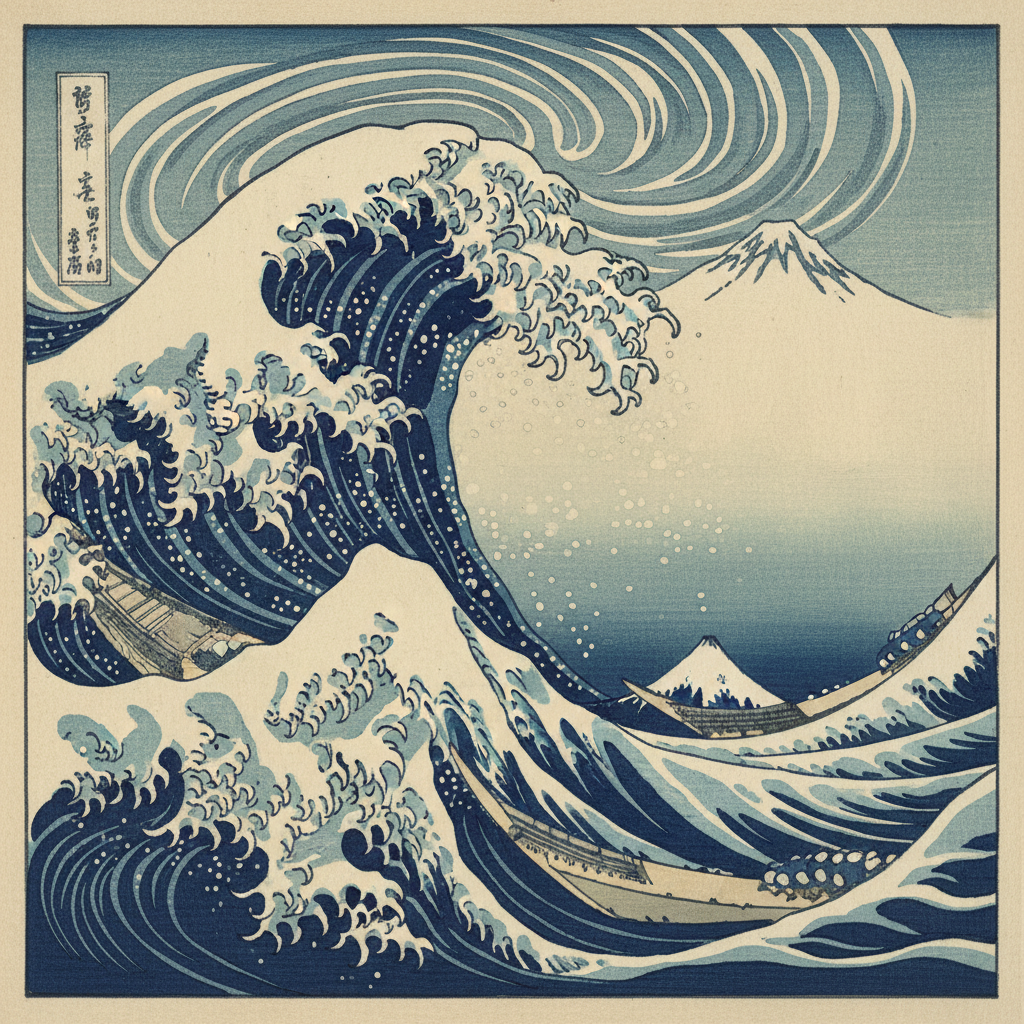
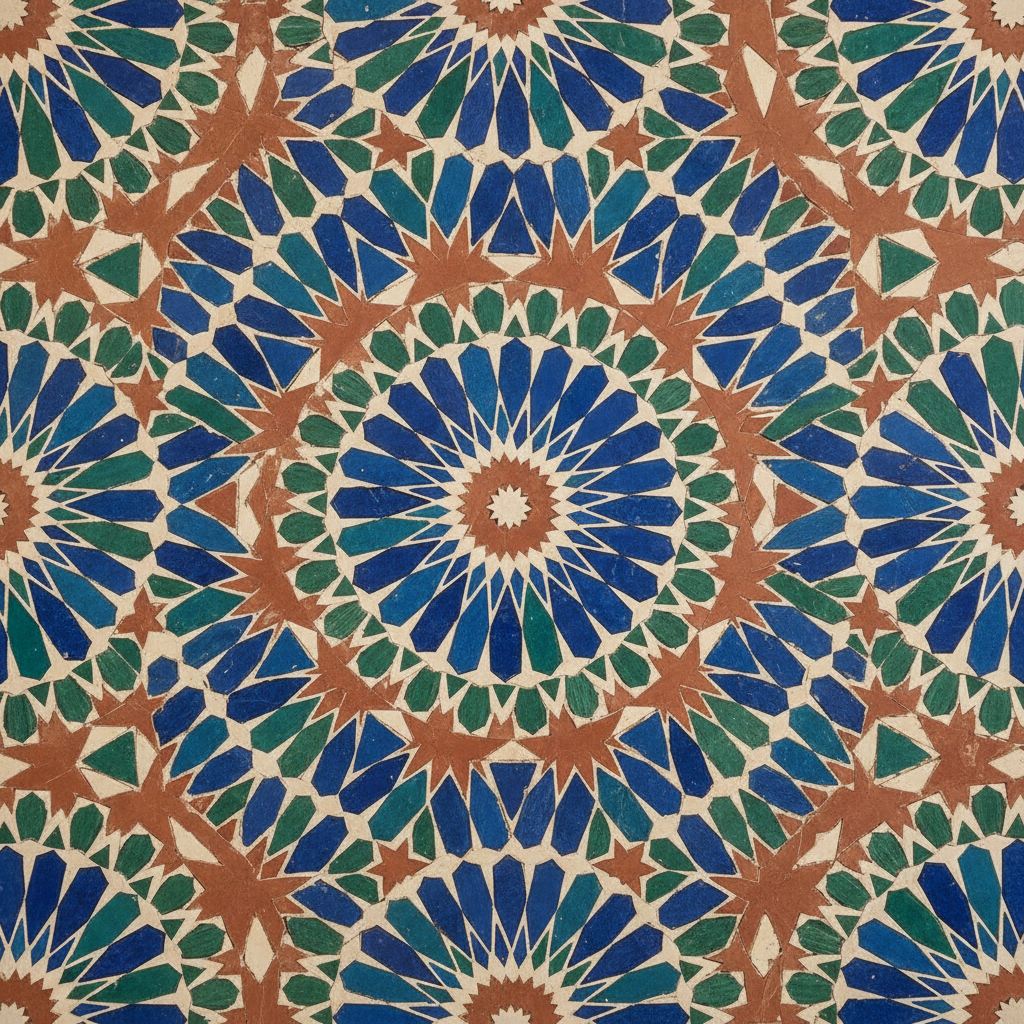
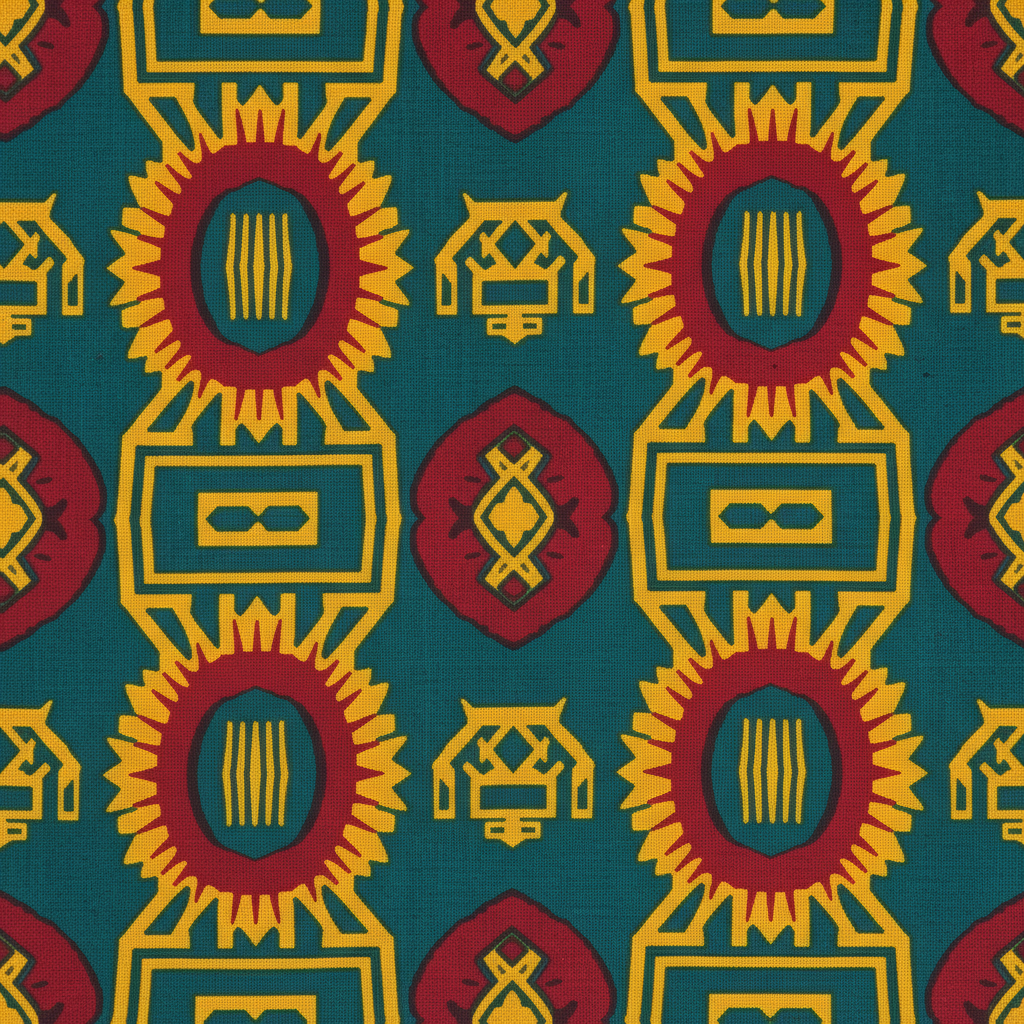
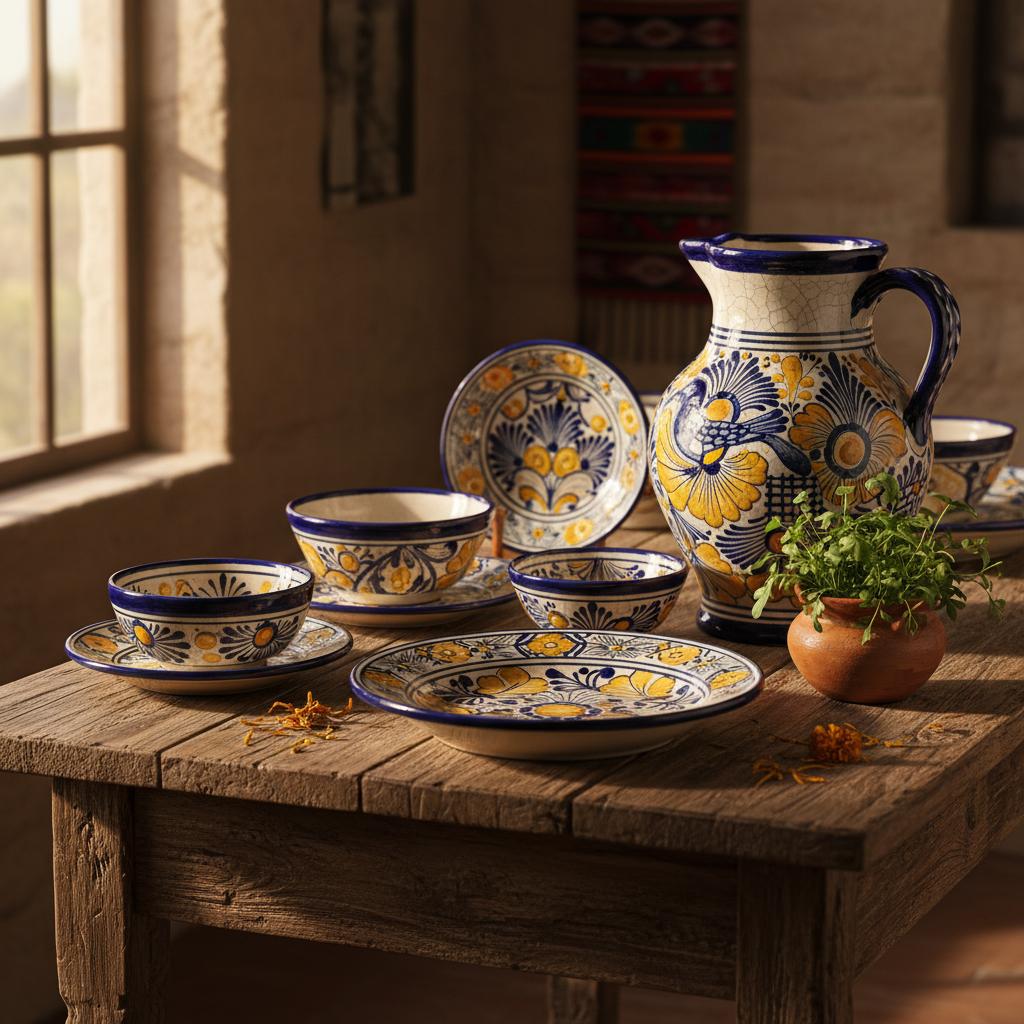
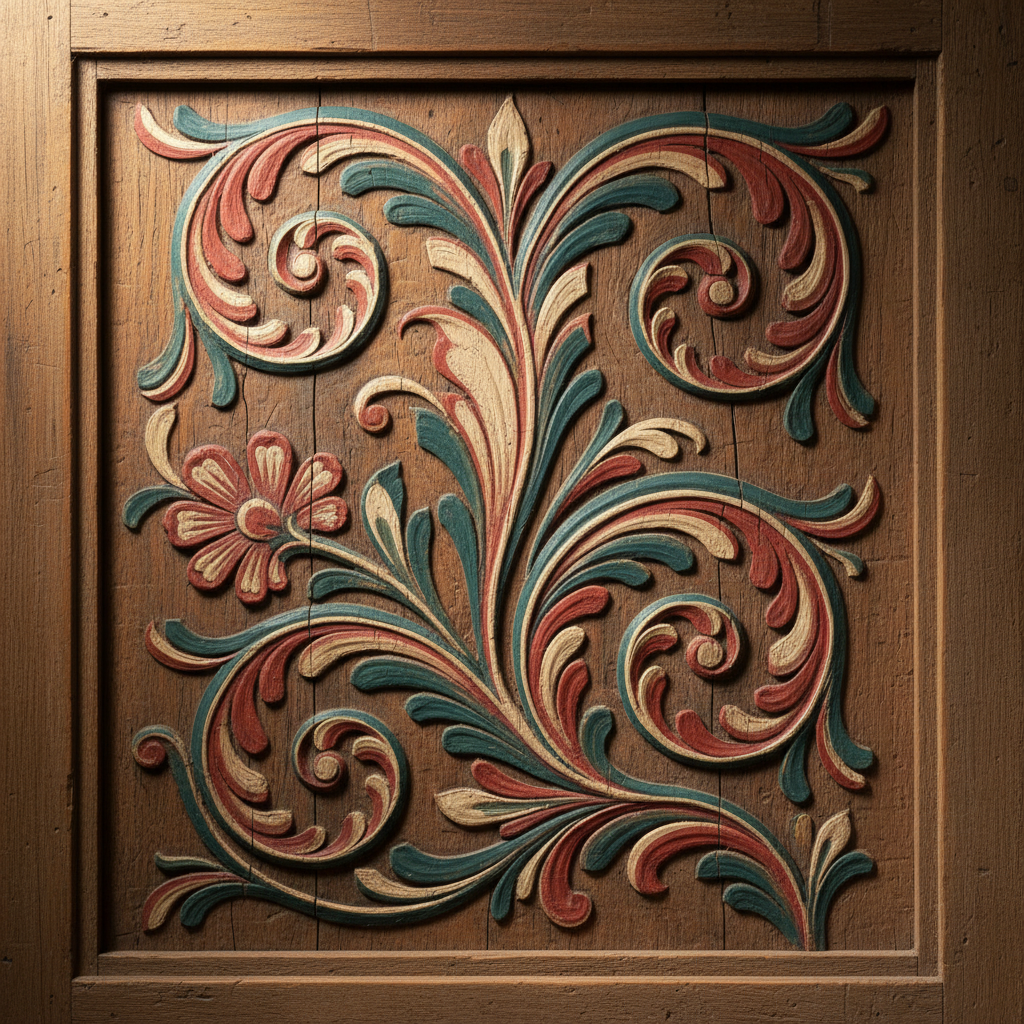
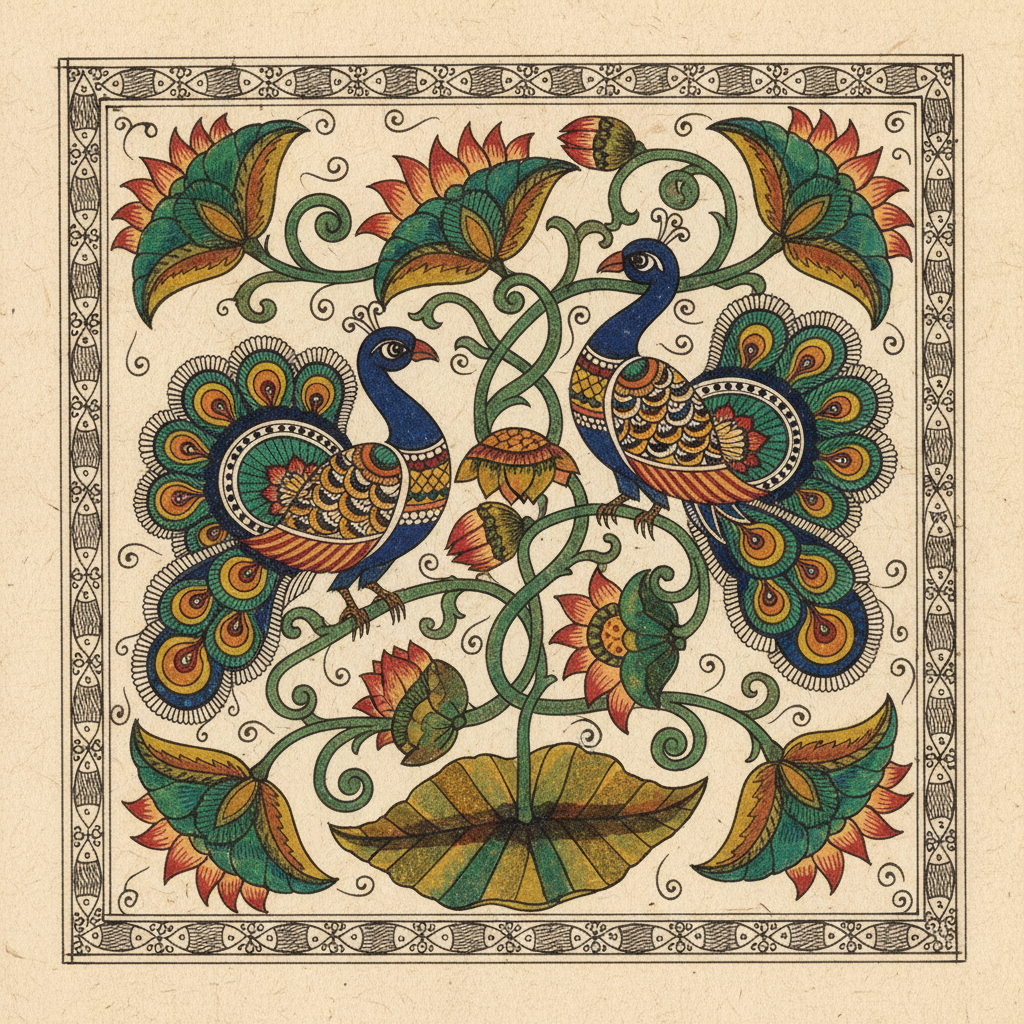
Six traditions, six presets, no retouching or compositing. Each image below came out of the tool on this page using the preset named on its card.
The Six Traditions Behind the Presets
Each preset encodes the technique, palette and surface behaviour of a real lineage — what it is good at, and what it will fight you on.
Ukiyo-e — Japan
Flat colour fields, confident contour lines, layered depth without Western perspective, and the visible grain of the woodblock itself. Best for landscapes, weather, water and anything where a strong silhouette carries the image.
Islamic Geometry — North Africa & the Levant
Zellige tilework and girih patterning built on infinitely repeating star polygons. There is no focal subject by design, which makes it the strongest choice on this list for backgrounds, borders, packaging surfaces and textile repeats.
Wax Print — West Africa
High-contrast repeating motifs in saturated ochre, indigo, teal and crimson, with the crackle and bleed of the wax-resist process. Reads instantly at small sizes, which is why it holds up in digital work as well as on cloth.
Talavera & Mesoamerican — Mexico
Hand-painted ceramic glaze in cobalt and yellow over tin-white, with brush pressure visible in every stroke. Carries warmth and hand-made irregularity that flat vector styles cannot fake.
Rosemaling — Scandinavia
Flowing painted scrollwork and stylised florals on aged pine, in the muted red, teal and cream of Nordic folk decoration. Excellent for panels, frames and anything that needs an ornamental edge rather than a centre.
Madhubani — Mithila, India
Fine black linework filled with vivid natural pigment, dense pattern filling every empty space, and symbolic flora and fauna. The most detail-hungry style here — it is the one that most rewards 4K output.
How Cross-Cultural AI Art Creation Works
Choose a tradition
Pick one of the six presets in the generator. Each carries the technique, palette and surface behaviour of that tradition behind it, so you are not describing a whole visual system from a blank field.
Describe your own subject
Add what the image is actually of — a coastline, a fruit, a repeating motif, your product. Name a second tradition here if you want a blend, and keep it to a defined region such as a border or background.
Generate, compare, credit
Render in seconds, run the same subject through a second tradition to see what changes, and download. When you publish, name the tradition you drew on — it costs nothing and it is the difference between reference and erasure.
What the Cultural Image AI Actually Gives You
Six capabilities that decide whether multicultural image generation is a novelty or a working part of your process.
Blend Traditions, Not Just Switch Between Them
The presets are starting points, not filters. Choose ukiyo-e as your base and ask for a zellige border, or take wax print colour into a Madhubani composition. Cross-cultural AI art gets genuinely interesting when one tradition supplies the structure and another supplies the surface, and the tool follows both instructions in the same pass.
4K Output for Print and Textile
Fine linework traditions collapse at web resolution — Madhubani hatching and rosemaling scrollwork turn to mush. Paid plans render at 4K, which is what you need for exhibition panels, fabric repeats, book covers and packaging that will actually be manufactured.
Text Rendering That Survives the Crop
Nano Banana Pro handles legible type better than most image models, including many non-Latin scripts. For global art creation aimed at posters, covers and campaign assets, that is the difference between a usable draft and a pretty placeholder you have to rebuild in a design tool.
Image-to-Image for Your Own Source Material
Prompt-to-image is half a workflow. Bring in your own photograph, textile scan or rough sketch and restyle it into a chosen tradition while keeping the composition intact. Studying how a specific style transforms material you already know is the fastest way to learn what it actually does.
Consistency Across a Series
Multicultural image generation is rarely a one-image job. Character and style consistency across generations means a set of six panels can share a visual language instead of drifting, which matters for exhibitions, curricula and campaign families.
A Research Tool, Not a Substitute for Research
Generating in a tradition is a fast way to see how its rules behave — how ukiyo-e handles depth, how zellige resolves a corner. It is not a source. Treat cultural image AI output as a sketch to check against real references and, where the work matters, against people who practise the tradition.
Where Global Art Creation Earns Its Place
Four workflows where working across traditions is the point rather than a stylistic flourish.
Education and curriculum design
Show one subject rendered through six visual systems side by side. Students see how conventions of depth, colour and pattern differ far more clearly than in a lecture slide of unrelated masterworks.
Brand and campaign work for global markets
Draft regional variants of a campaign key visual quickly, then take the strongest directions to local artists and reviewers before anything ships. Concepting is where AI belongs in this workflow — not final delivery.
Surface, textile and packaging design
Geometric and wax-print traditions were built for repetition. Generate at 4K, tile the result, and you have a starting pattern that survives being printed at scale instead of one that only works as a thumbnail.
Personal practice and style study
Artists use diverse art styles generation the way musicians use transcription: run your own composition through an unfamiliar tradition, look at what its rules forced you to change, and take that back into your hand-made work.
Cross-Cultural AI Art — Common Questions
Cross-cultural AI art is work generated by describing a subject in the visual language of a specific artistic tradition — or by combining the compositional logic of one tradition with the palette or motifs of another. Instead of a single house style, multicultural image generation lets you move between ukiyo-e woodblock, Islamic geometric tilework, West African wax print, Mesoamerican ceramic painting, Nordic rosemaling and Madhubani linework, and see how each one reframes the same idea.
Run One Subject Through Six Traditions
Free trial credits, no credit card, no signup wall. Describe something once and watch six visual systems disagree about how to draw it.
Start Creating FreeUnderstanding Cross-Cultural AI Art Creation
Cross-cultural AI art is less about exotic decoration than about visual grammar. Every tradition on this page solves the same problems — depth, emphasis, colour relationship, how to fill a plane — and each one solves them differently. Ukiyo-e builds depth by stacking flat planes rather than converging lines. Zellige tilework refuses a focal point entirely and organises the surface by symmetry. Madhubani treats empty space as something to be filled, where Nordic rosemaling treats it as the ground that makes ornament legible. Running one subject through several of these systems shows you the rules faster than reading about them, which is why multicultural image generation has found an audience among educators and designers rather than only among people chasing a look.
The practical requirements for cultural image AI are stricter than for general image generation. Resolution matters more, because most of these traditions live in fine linework, glaze texture or woven weave that disappears at web sizes — Madhubani hatching and rosemaling scrollwork are the obvious cases, and both need 4K to survive print. Repeatability matters, because geometric and textile traditions were built for tiling and a pattern that cannot be tiled cleanly is a picture of a pattern rather than one. Consistency across a series matters, because global art creation is usually commissioned as a set: six panels for an exhibition, a family of regional key visuals, a curriculum unit. And image-to-image matters, because the most useful thing you can do with a new style is apply it to source material you already understand.
Working across traditions carries an obligation that no tool can discharge for you. There is a real difference between drawing on a living decorative craft and lifting a closed ceremonial form to decorate a product, and the line is drawn by the communities concerned rather than by a prompt box. A reasonable working practice: research what you are referencing before you generate, name the tradition when you publish, stay away from sacred and restricted imagery, and when the work is about a community rather than merely influenced by one, commission artists from it. Commercial rights to a generated file cover the image; they say nothing about whether the reference was appropriate. Treat AI cultural art output as a draft to check against real sources — and against real people — not as a substitute for either.
Used that way, diverse art styles generation slots into the early, cheap part of a project where iteration is supposed to happen. Draft twenty regional directions in an afternoon, discard eighteen, take the surviving two to people who know the tradition, and spend your budget on finishing rather than on exploring. The generator on this page is free to try with no signup, runs in about eight seconds per image, and supports 4K output and full commercial rights on plans from $2.99. Start with one subject and two traditions, compare what each one changed, and you will know within ten minutes whether cross-cultural AI art belongs in your process.