
AI Mermaid Art Generator
Mermaids are one of the oldest subjects in illustration and one of the hardest to draw well — the tail transition, the scale texture, and underwater light are three separate craft problems stacked on top of each other. This AI mermaid art generator handles all three from a written description, in six distinct styles, and keeps the same character recognisable across a whole series. Free to test below, no account needed.
Create Mermaid Art FreeTry It Now — Free
Choose a mermaid style, add your own details on top — tail colour, setting, mood — and generate. No account, no card.
AI Mermaid Art Generator
Pick a mermaid style, describe your character or scene, and get a 4K illustration in about fifteen seconds
AI Mermaid Art Across Six Styles
The same subject rendered as painterly concept art, a texture study, a watercolour spread, an anime character sheet, a deep-sea scene and an ornamental print panel.
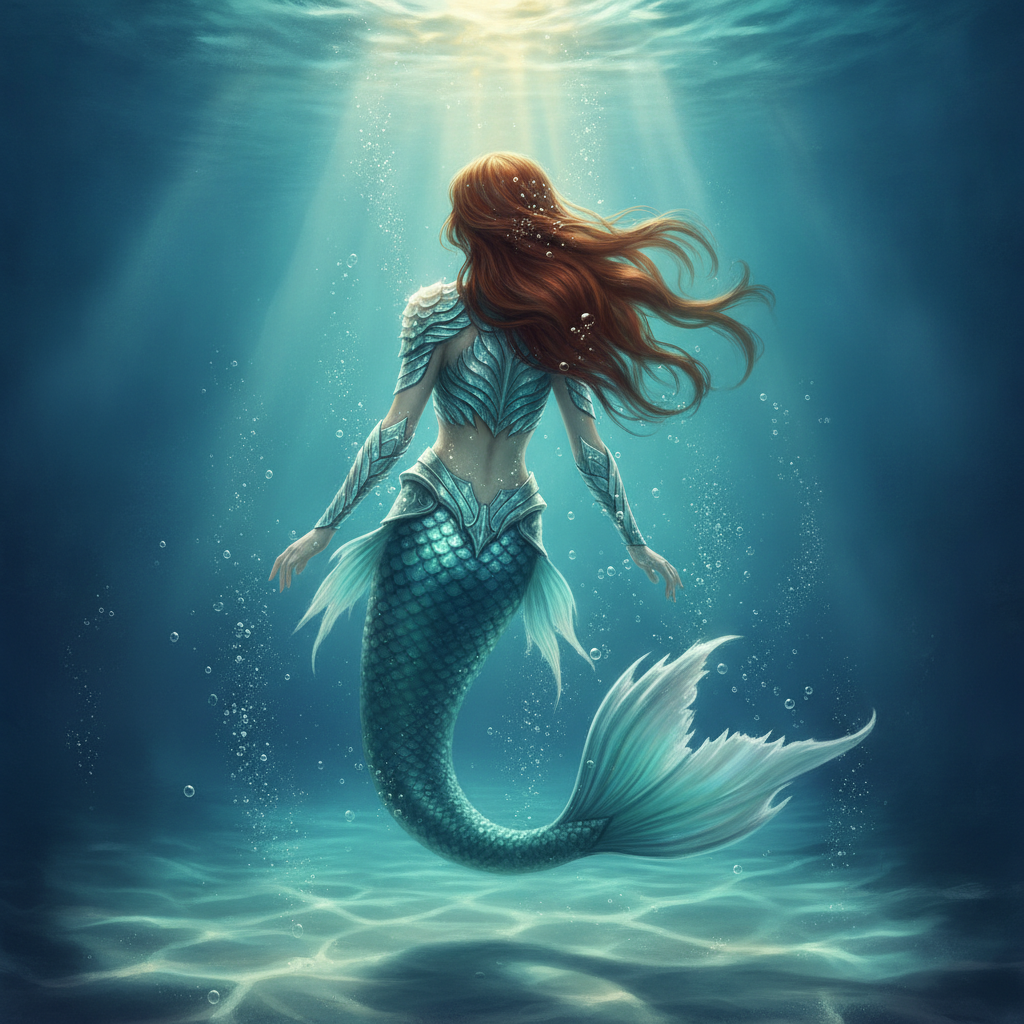
Rising Through The Light
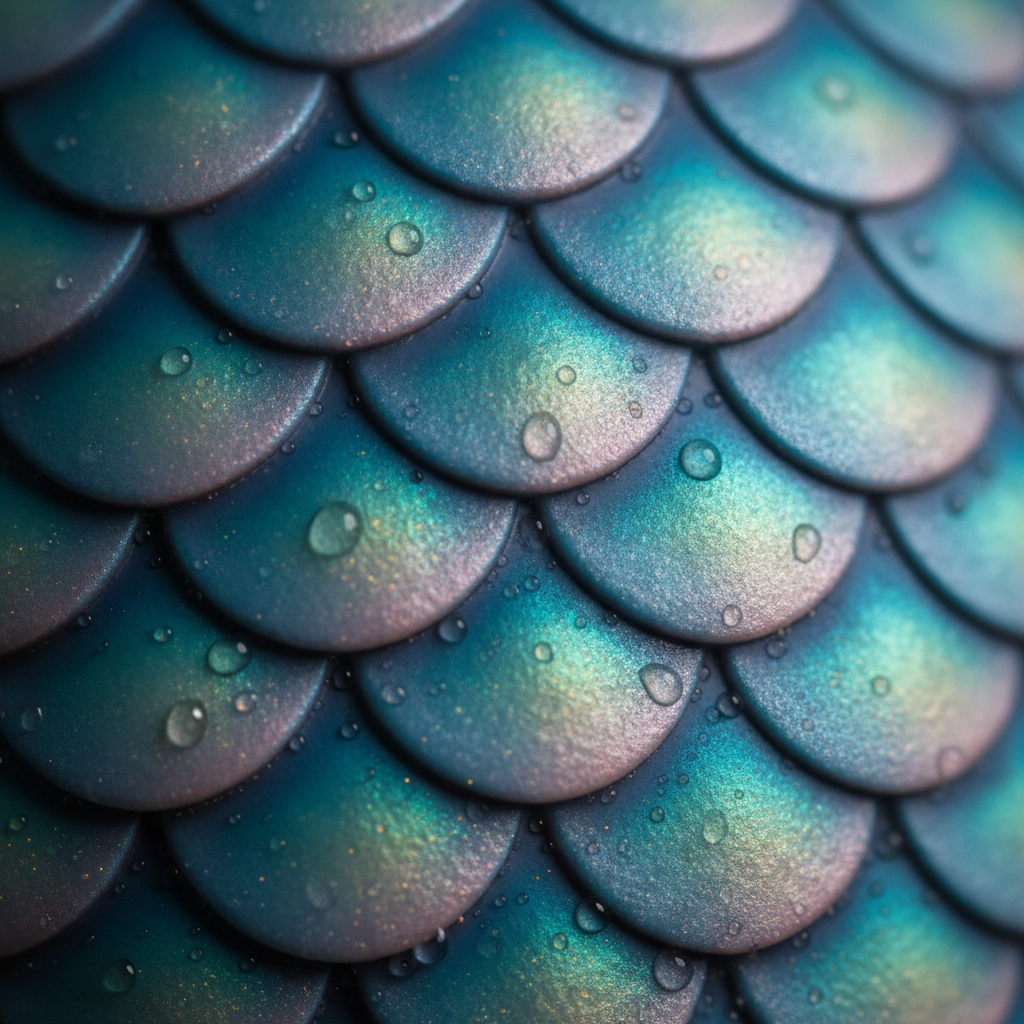
Scale Study
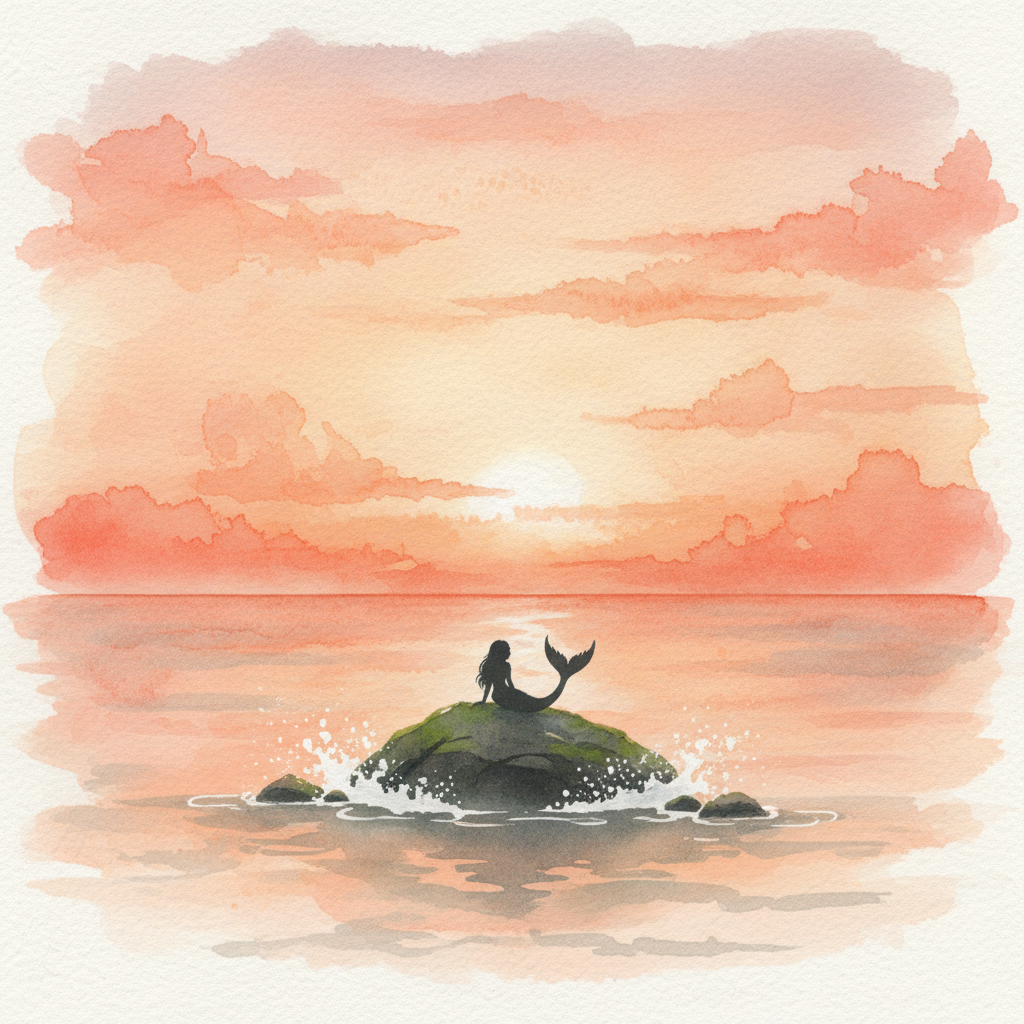
Sunset Rock
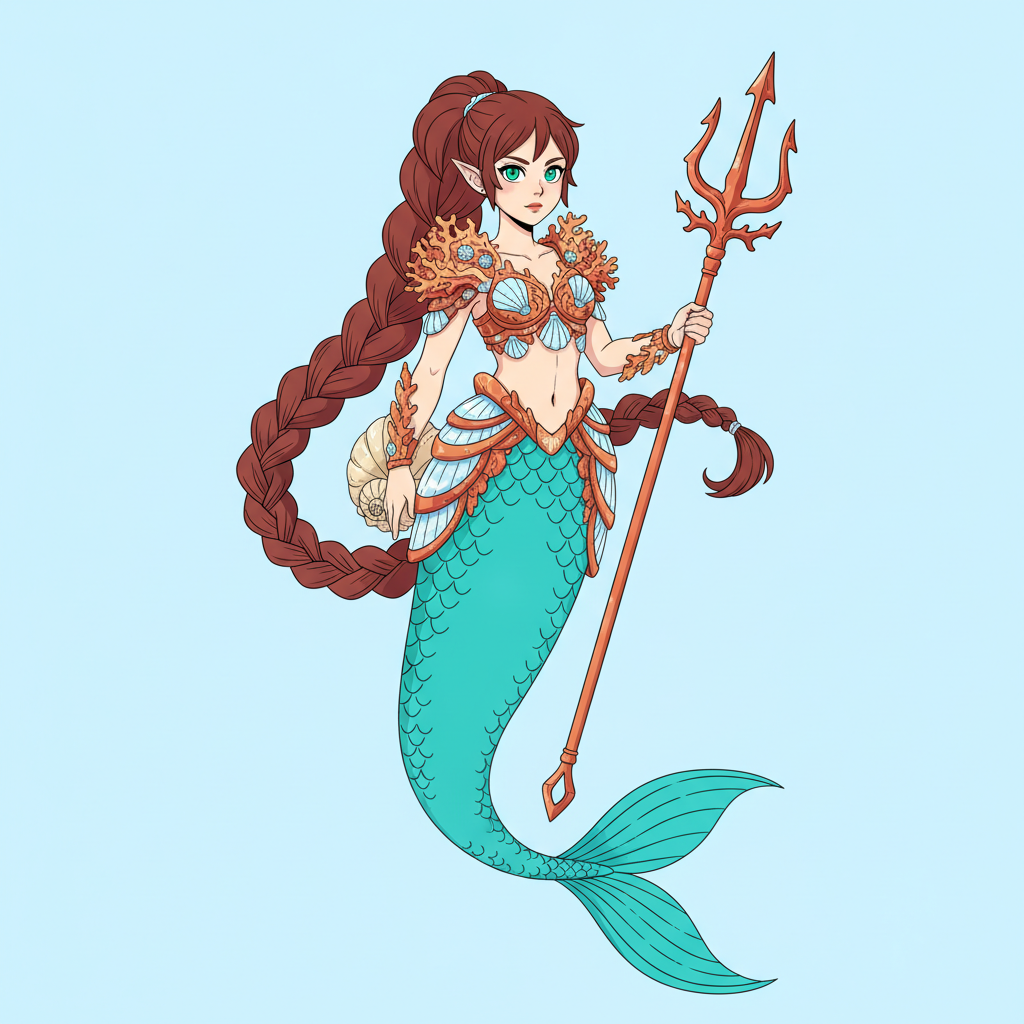
Character Sheet
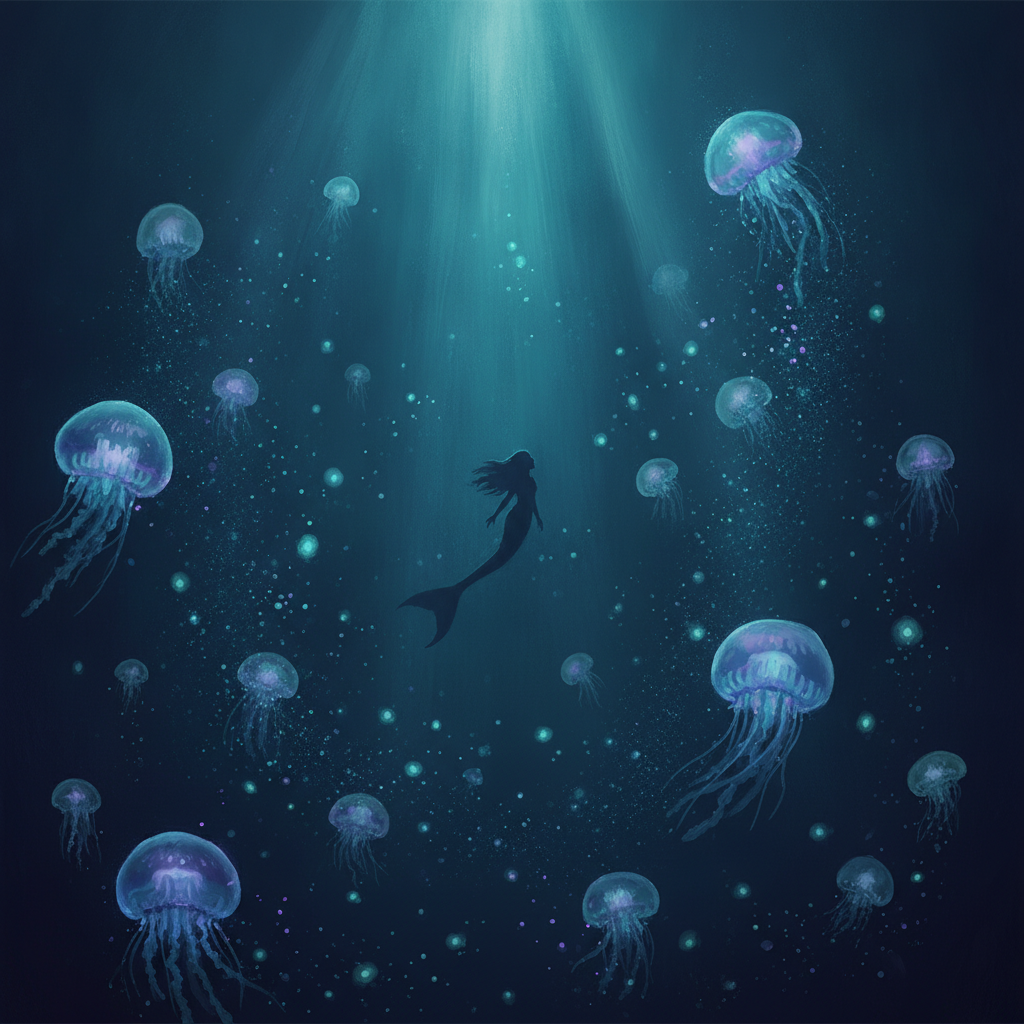
The Deep
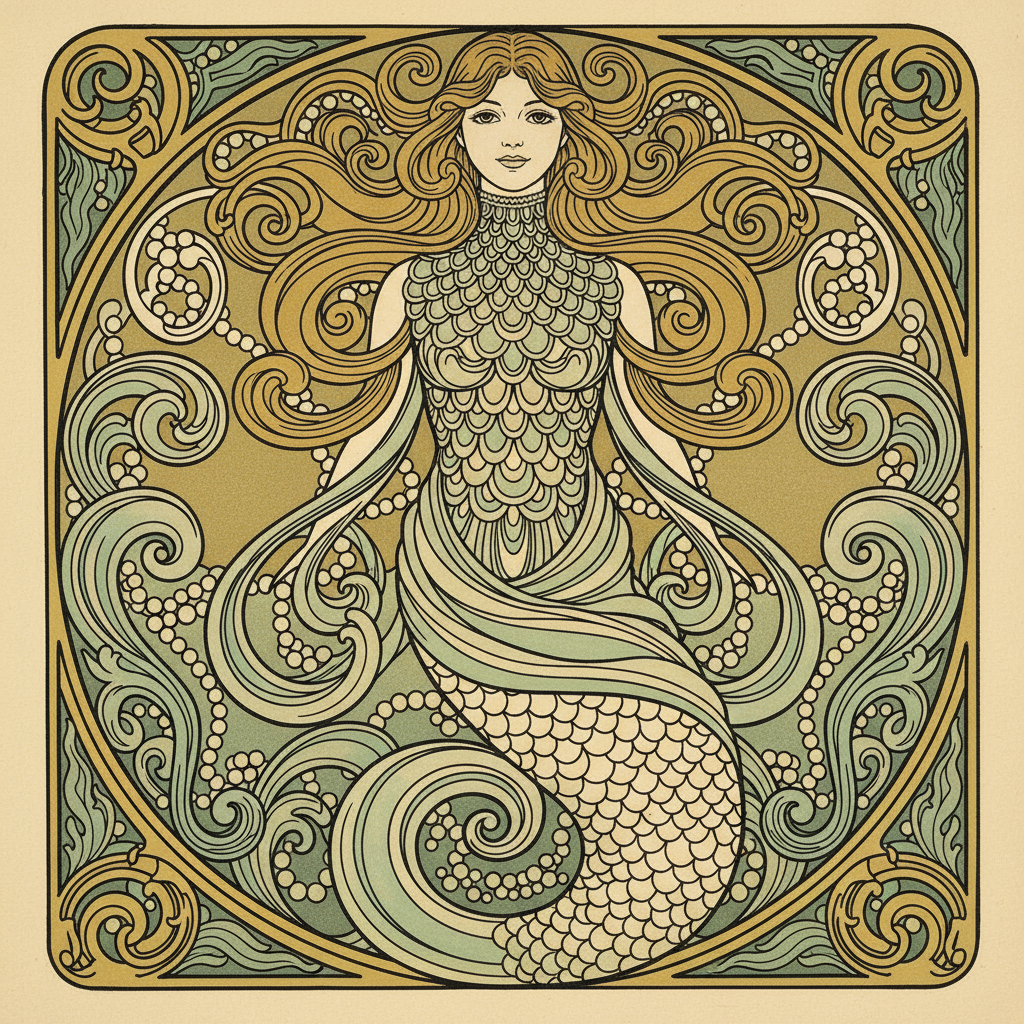
Ornamental Panel
How The AI Mermaid Art Generator Works
Three steps, and the third is where a decent image becomes the one you had in mind.
Pick A Mermaid Style
Six presets cover the main traditions — painterly fantasy, anime, storybook watercolour, deep-sea bioluminescent, art nouveau and folkloric siren. Each one carries a full prompt behind it, so the style is already described in the detail the model needs.
Add Your Own Details
Type the specifics on top: tail colour, hair, jewellery, the setting, the mood, the camera angle. This is also where you paste a saved character block if you are building a series rather than a single image.
Generate And Refine
The result comes back in roughly fifteen seconds at up to 4K. Change one clause at a time when you iterate — swapping the light or the tail material alone tells you what each part of your wording is actually doing.
Save your character as text
Hair, eyes, skin, tail colour and pattern, jewellery, markings — kept as one block you paste into every prompt. That block is what makes a series look like a series instead of a gallery of strangers.
Keep the full-size master
Generate at full resolution even when the piece is destined for a sticker. Cropping down from a large file stays sharp; upscaling a small one for a print order does not, and you only find out after it ships.
Change one clause at a time
When a render is close but wrong, resist rewriting the whole prompt. Swap only the light, or only the tail material, and you learn which part of your wording is carrying the result.
The Six Things That Make Mermaid Art Work
Every one of these is a clause you can add to a prompt, and each is a common reason a render comes back almost right.
| The problem | What to do | Why it matters |
|---|---|---|
| The hip transition | Say how it happens | Where the human form becomes the fish form is the detail that separates convincing mermaid art from a costume. Scales scattering gradually up the hips, a hard scalloped seam, or a smooth unbroken blend are three different design decisions — describe the one you want rather than leaving the model to pick. |
| Scale texture | Name the material | Scales are a curved reflective surface, so they only read correctly when the highlights follow the body. Iridescent opal, matte reptilian plate and translucent betta-fin veining are distinct materials with distinct behaviour under light, and naming one is far more effective than asking for scales in general. |
| Underwater light | Pick a source and a depth | Light is the clause most prompts omit and the one that changes the image most. Sun shafts from the surface, cold moonlight through the waterline, and bioluminescent glow from below produce three unrelated pictures. Depth matters too — colour drains toward blue as you descend, and warm tones vanish first. |
| Hair in water | Give it a direction | Hair underwater does not hang, it drifts, and the direction it drifts tells the viewer which way the current runs and whether the figure is rising, sinking or still. A clause as short as "hair sweeping upward in the current" fixes a pose that otherwise looks oddly static. |
| Character consistency | Reuse an identical block | For a series, write the character as a fixed block — hair, eyes, skin, tail colour and pattern, jewellery, markings — and paste it unchanged into every prompt, varying only pose and setting. Consistent wording is what produces a consistent character, since your text is passed through as written. |
| Composition | Decide the camera first | Low angle looking up at a figure against the surface, eye-level portrait, or high angle over a rock at the waterline are different pictures before any styling is applied. Stating the camera position early stops the generator defaulting to the same centred three-quarter pose every time. |
You rarely need all six in one prompt. Two or three of the ones your current render is getting wrong is usually enough to move it where you want it.
What People Make With AI Mermaid Art
Six jobs the subject actually gets used for, and the approach that suits each one.
Illustrating a character more than once is the case where a written approach genuinely beats commissioning. Fix the design in words, generate a front-facing reference first, then reuse that same block for every subsequent scene. You end up with a character who is recognisably the same across a dozen images, which is what a comic, a serialised story or a tabletop party sheet actually needs.
Storybook work wants soft edges, a limited warm palette and generous negative space where the type will sit. Ask for the composition weighted to one side and keep the background simple. Generating the whole set in one session with the same style wording is what keeps a picture book feeling like one book rather than a folder of unrelated illustrations.
A detailed painterly piece that looks superb as an A2 print turns to mud on a 2-inch sticker. For small products, push toward bold shapes, heavy outlines and high contrast — the anime and art nouveau presets are built for this. Generate at full resolution regardless, because upscaling a small file for print is the mistake that shows up only after the order arrives.
The unsettling versions of the myth predate the friendly ones by centuries, and the most effective way to reach them is atmospheric rather than graphic. Deep water, a figure half-visible in shadow, bioluminescence used as a lure, a cold desaturated palette — these do far more work than explicit horror detail, and they suit book covers and album art where the image has to carry a mood at a glance.
Not every render needs to be a full figure. Macro studies of scale rows, fin membranes, pearl jewellery and water droplets are useful as reference material for your own painting, as texture plates for a design project, or as background elements in a layout. They also tend to be the cleanest output, because a close crop gives the model far less to get structurally wrong.
The expensive part of illustration is deciding, not drawing. Running six tail designs or four palettes past yourself in a few minutes tells you which direction is worth the hours before you spend them, whether the final piece is going to be painted by hand, commissioned from an artist, or generated here and refined.
Why Use An AI Mermaid Art Generator
A style filter applies one look to everything. A described image is built around the scene you asked for.
Six Mermaid Traditions, One Tool
Mermaid art is not a single look. Painterly fantasy, cel-shaded anime, storybook watercolour, art nouveau print, deep-sea bioluminescence and dark folkloric siren are separate visual traditions with separate audiences, and each preset here carries a fully written prompt for one of them. Testing your idea across three styles takes about a minute, which is usually enough to settle a direction you would otherwise argue with yourself about for a week.
Scales And Fins That Hold Up Close
The failure mode in generated mermaid art is texture that dissolves under inspection — scales that stop being scales halfway down the tail, fins with no visible structure. Describing the material explicitly and rendering at full resolution keeps overlapping scale rows, membrane veining and the iridescent shift across a curved surface intact at the sizes where anyone will actually look at them.
The Same Character, Image After Image
Your prompt is sent through as written rather than expanded and reinterpreted first, which is exactly what makes a saved character block function as a design document. Paste the same description into ten prompts and you get ten pictures of the same mermaid rather than ten mermaids, and that reliability is the difference between illustrating a story and collecting pretty one-offs.
Underwater Light Done Properly
Water is the hardest part of the subject and the part that sells it. Caustic patterns rippling across a body, god rays breaking through the surface, particulate drifting in a shaft of light, colour draining toward blue with depth — describe the lighting condition and the scene is built around it, rather than a figure being pasted onto a blue background.
4K Output For Print And Merch
Prints, book covers, posters and packaging all want more pixels than a screen does, and mermaid art in particular tends to be bought as something physical. Generating at up to 4K means a piece can go to a large-format print without upscaling, and can be cropped down for a sticker or a social post without the softness that gives cheap AI art away.
Plain Words, Not A Painting Degree
The traditional path to an image like this is years of anatomy, colour and rendering practice, or a commission and a wait. Describing the picture you want in ordinary language is a different way of working rather than a shortcut through the old one, and it suits writers, game masters and small publishers who need illustrations without becoming illustrators.
Choosing A Mermaid Style
Pick by where the picture ends up, not by which preview looks nicest on its own.
Painterly Fantasy
The default for book covers, campaign art and large prints. Carries fine detail at size and handles dramatic light well, but loses legibility when shrunk to a thumbnail.
Anime & Manga
Bold outlines and flat colour survive being small, which makes this the right pick for avatars, stickers, emotes and anything seen at a few hundred pixels.
Storybook Watercolour
Soft edges and a warm limited palette suit children’s books and cards, and the loose treatment leaves space for type without fighting it.
Deep-Sea & Folkloric
Cold palettes, heavy shadow and bioluminescence for album art, horror covers and the older darker versions of the myth — atmosphere doing the work rather than detail.
AI Mermaid Art Generator FAQ
Put Your Mermaid On The Page
Start with a style, add a tail colour and a light source, and see what comes back. Fifteen seconds, no account, and you will know within three tries whether the look in your head is reachable.
Create Mermaid Art FreeGetting More Out Of An AI Mermaid Art Generator
Mermaids have been drawn for as long as people have drawn anything, and the reason they remain difficult is that the subject stacks several hard problems into one figure. There is the anatomy of the transition from human to fish, which has no correct answer and therefore has to be a deliberate design decision. There is scale and fin texture, a reflective curved surface that only reads convincingly when its highlights follow the body. There is water itself, which bends light, drains warm colour with depth and moves hair in a direction that tells the viewer what the figure is doing. An AI mermaid art generator is useful precisely because those three problems can be handed over as sentences — you describe the transition, the material and the light, and the render is built around them rather than around a generic impression of a mermaid.
The habit that separates good results from lucky ones is writing in layers. Subject and pose first, then the tail design, then the environment, then the light, and only then the style and finish. Most disappointing renders come from a prompt that gave the model far too much freedom in one of those layers, and the fastest way to diagnose it is to change a single clause and look at what moves. If you are producing more than one image of the same character — a book, a comic, a campaign, a set of prints — keep the character as a fixed block of description and paste it unchanged into every prompt. Because your wording is passed through as written rather than paraphrased first, an identical description reliably produces a recognisable mermaid across a whole series, which is the thing that turns generated mermaid art from decoration into illustration.
Style should be chosen by destination. Painterly fantasy holds detail at print size and suits covers and posters; cel-shaded anime survives being shrunk to an avatar or a sticker; watercolour forgives soft edges and leaves room for type on a picture-book spread; art nouveau was designed for print and still looks best there. Deep-sea and folkloric treatments work through atmosphere rather than detail, which makes them the right choice for album art and darker covers where the image has one second to set a mood. Generating at full resolution is worth doing in every case, because cropping down from a large file stays sharp while upscaling a small one for a print order does not. If you plan to sell the results, commercial use is included on paid plans from $2.99, but do check the policies of the marketplace you sell through, and avoid prompting for copyrighted characters — the well-known animated mermaid is protected intellectual property, and an original design is both safer and more interesting.
For fantasy subjects beyond this one, the AI fantasy art generator covers dragons, magic and imagined worlds at large, and AI character portraits is the better page when you need a head-and-shoulders reference rather than a full scene. Anime-leaning work is served by the AI anime fan art generator, and the general AI art generator is the starting point when the subject is not fantasy at all. The full set of AI image tools covers the more specialised jobs around them. Everything runs in the browser with nothing to install, and the AI mermaid art generator above is free to try before any of that matters.