AI Art vs Traditional Art
The Honest 2026 Comparison
AI art vs traditional art compared head-to-head — speed, cost, craft, and creativity. AI-generated art turns weeks of studio time into seconds for high-volume creative work, while traditional art techniques still win on originality, narrative depth, and signature voice for gallery-grade pieces. This art comparison helps artists, art enthusiasts, and digital creators pick the right tool for the brief. Try the AI-generated art demo below and see digital art vs traditional art in fifteen seconds.
Try AI-Generated Art — Free
Pick a traditional art techniques preset — oil portrait, watercolor landscape, charcoal sketch, Renaissance, watercolor, comic — and see the AI art vs traditional art speed gap in fifteen seconds
AI Art vs Traditional Art Demo
Pick a traditional art techniques style and watch AI-generated art finish a 4K piece in fifteen seconds — oil portrait, watercolor landscape, charcoal sketch, Renaissance, comic, or your own digital art vs traditional art direction
AI Art vs Traditional Art in Action
Visual breakdown of digital art vs traditional art — workflow, style range, and craft side-by-side
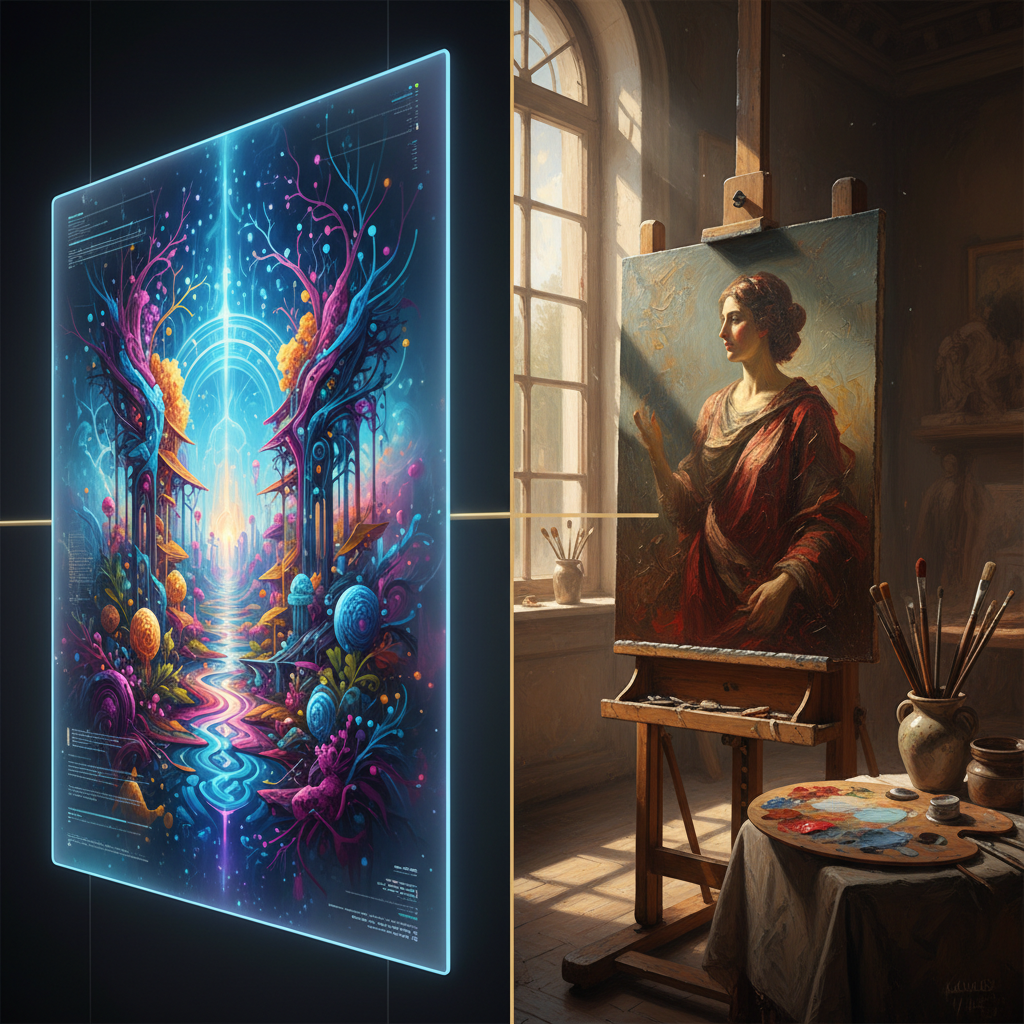
AI Art vs Traditional Art
Side-by-side art comparison
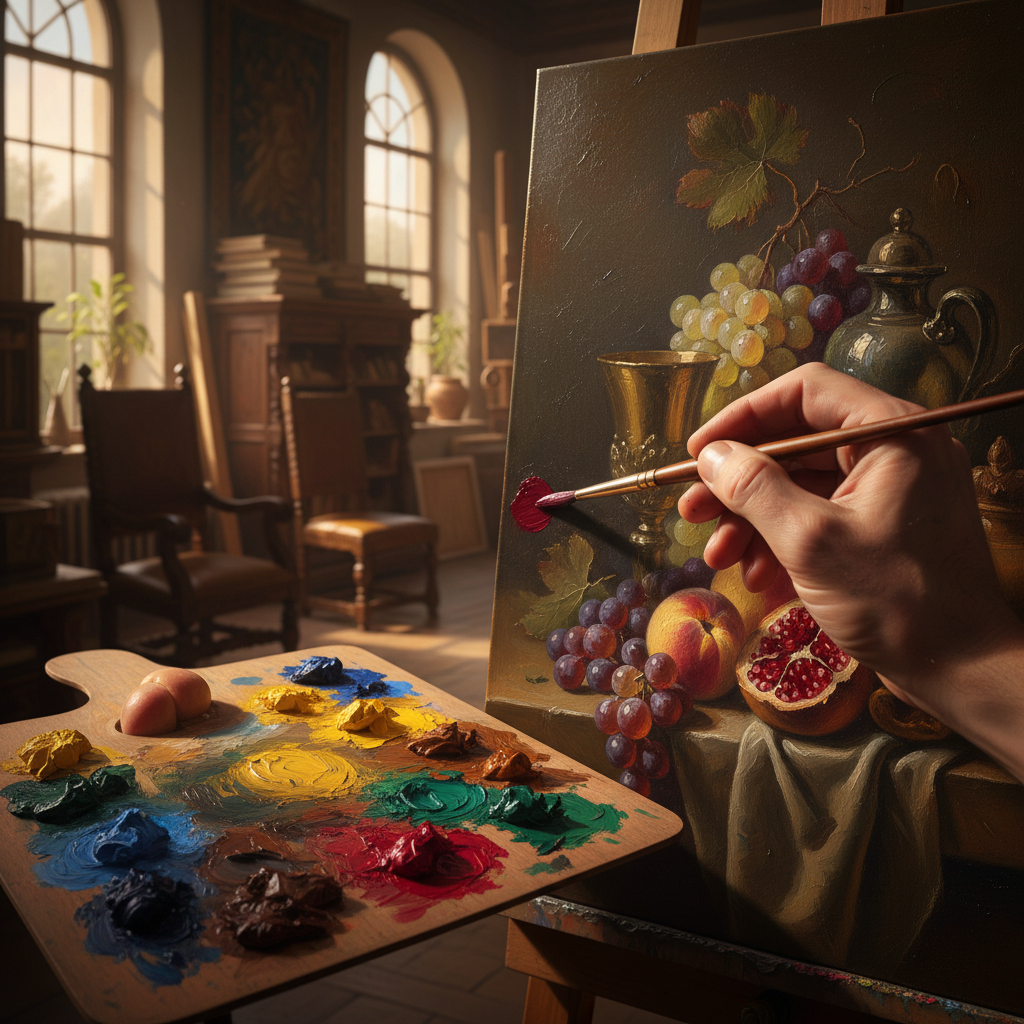
Traditional Art Techniques
Hand-painted oil craft
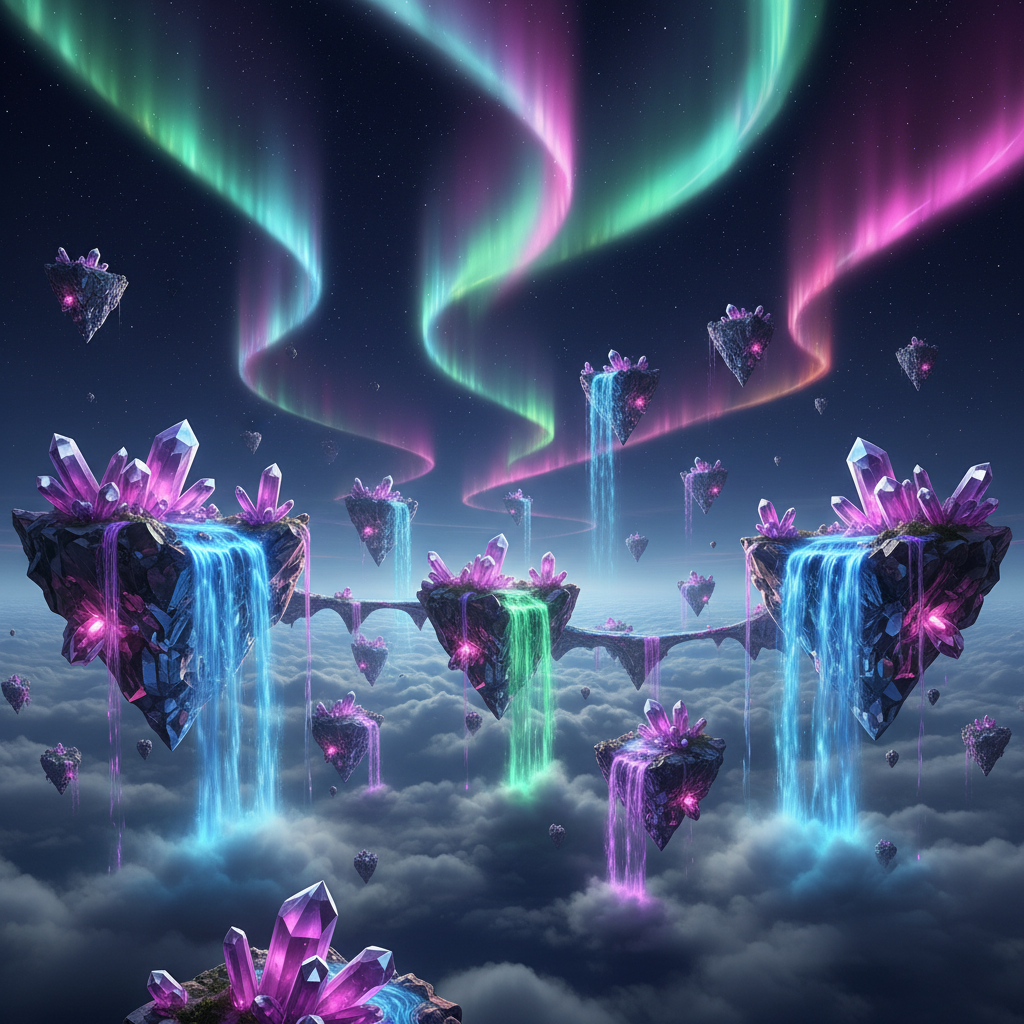
AI-Generated Art Output
AI art creation 4K
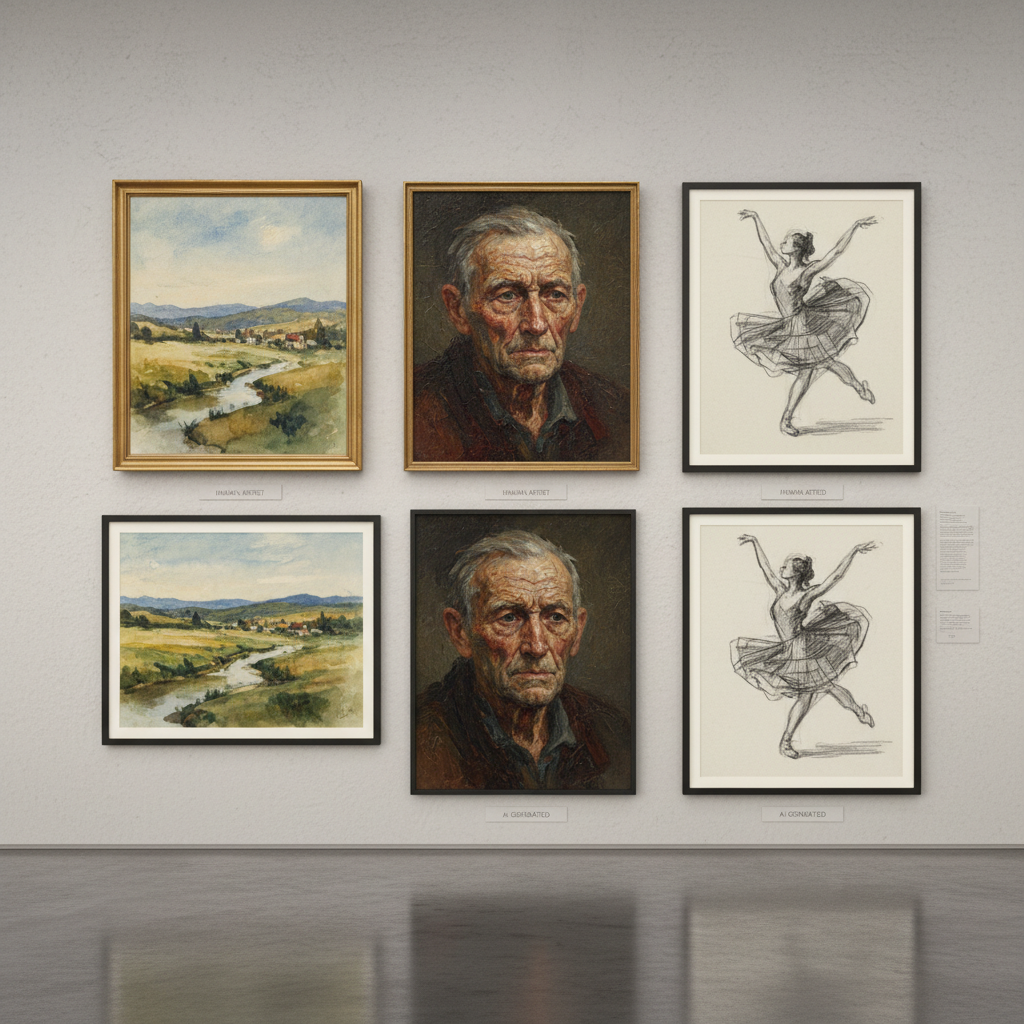
Digital Art vs Traditional Art Grid
Style-for-style art comparison
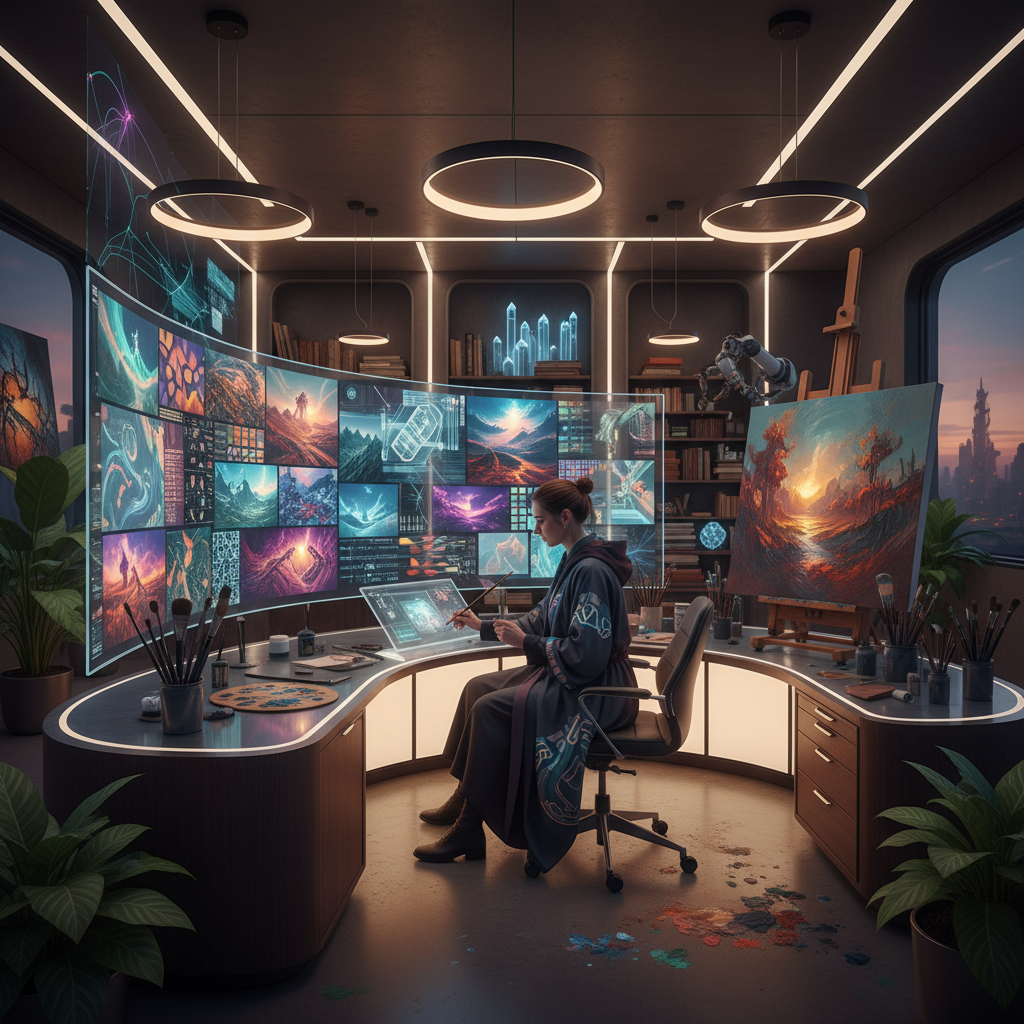
Hybrid Art Studio
AI art and traditional craft together
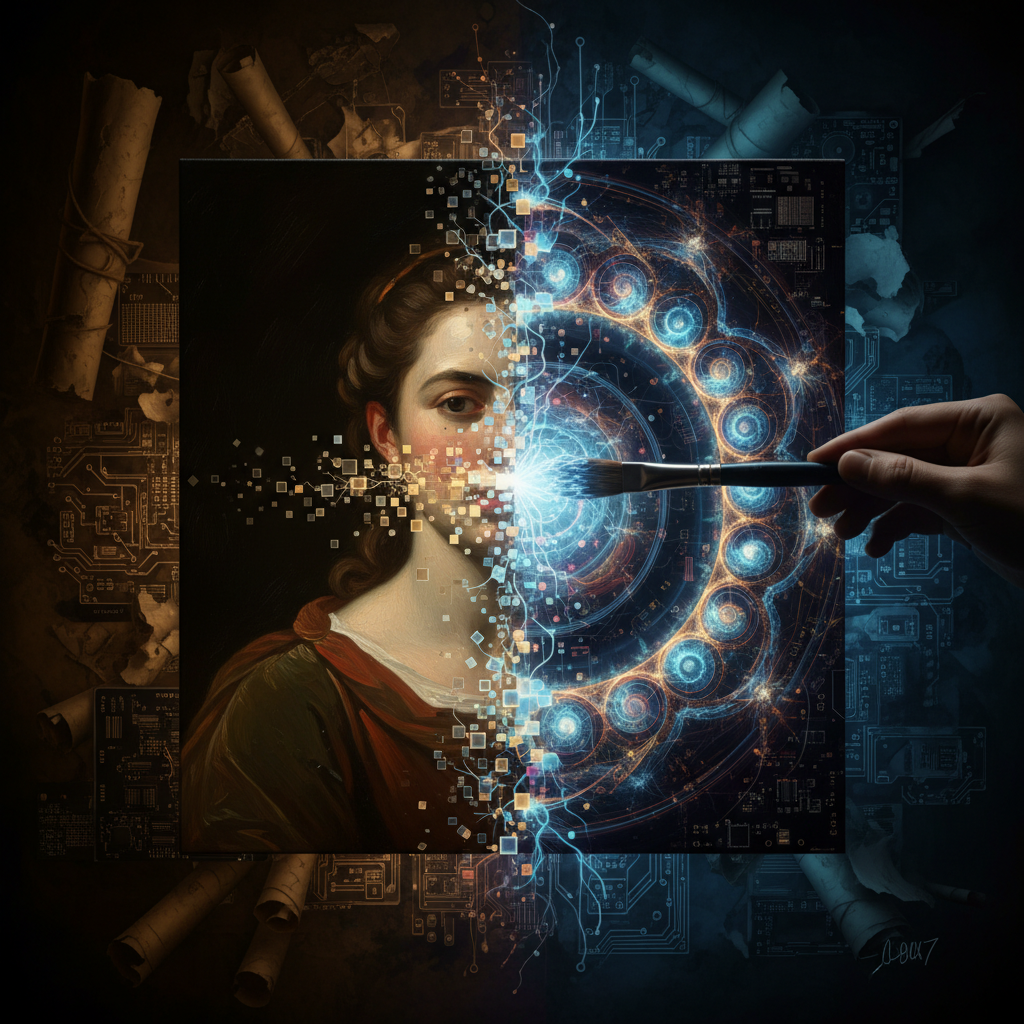
Traditional Art Meets AI
Conceptual art comparison
AI Art vs Traditional Art — Full Comparison
The honest art comparison: where AI-generated art wins decisively, and where traditional art techniques still hold the edge
| Feature | AI-Generated Art | Traditional Art |
|---|---|---|
| Time per finished artwork | 15–30 seconds | 2–200 hours |
| Time for 50-image content kit | ~30 minutes | 2–6 weeks of studio time |
| Cost per illustration | Fractions of a cent on $2.99 plan | $50–$200 commissioned |
| Cost per high-end portrait | Fractions of a cent on $2.99 plan | $500–$5,000 commissioned |
| Style switching | Instant, any style | Weeks of practice per style |
| Number of variations | Unlimited iterations | 1–3 revisions per round |
| Originality of concept | Bounded by training data | True original invention |
| Narrative & emotional depth | Surface aesthetics | Lived experience and voice |
| Gallery & museum-grade fine art | Not yet collector-tier | Industry standard |
| Brand identity & logo craft | Good for ideation | Signature human craft |
| High-volume content production | Yes — kits, ads, social | No — manual labor at scale |
| Sign-up & friction | No login, instant download | Contracts, deposits, weeks |
AI-Generated Art Wins For
- • High-volume content kits and social media graphics
- • Marketing campaigns, ad creative, and blog headers
- • Concept exploration, mood boards, and rapid client comps
- • Indie game assets, presentation graphics, and pitch decks
- • E-commerce visuals and product marketing imagery
- • Style range testing across genres in one afternoon
Traditional Art Techniques Still Win For
- • Gallery exhibitions and museum-grade fine art prints
- • Custom one-of-one commissions and wedding portraits
- • Brand-defining logo and visual identity design
- • Narrative graphic novels and editorial illustration
- • Public murals and community-driven art
- • Any project where the artist's story is the product
How AI-Generated Art Works
Three steps, fifteen seconds — vs the two-hour to two-hundred-hour traditional art techniques studio workflow
Pick a Style or Prompt
Tap one of the eight preset AI art styles that mirror traditional art techniques — oil portrait, watercolor landscape, charcoal sketch, Renaissance oil, Impressionist, Pop Art, ink wash, or pastel portrait. Or skip the presets and describe your own AI art vs traditional art direction with details about the subject, mood, color palette, and composition you want.
Generate the Art
Click the generate button. The AI-generated art engine returns a 4K finished image in about fifteen seconds — the same kind of work that takes traditional art techniques two hours to two hundred hours of studio time. Iterate live: tweak the prompt, swap the style, change the color palette, adjust the mood. Digital art vs traditional art makes twenty variants per session genuinely practical for digital creators.
Download & Use
Download the AI-generated art output and use it as a finished social media graphic, blog header, e-commerce visual, presentation slide, ad creative, mood board entry, indie game asset, or printed marketing piece. AI-generated art benefits include 4K output ready for both digital publishing and large-format print — feed, story, banner, listing, magazine spread, or trade show booth graphic.
AI-Generated Art Benefits Over Traditional Art Commissions
Six concrete reasons artists, art enthusiasts, and digital creators add AI-generated art to their workflow alongside traditional art techniques
AI Art vs Traditional Art — 200x Faster Turnaround
AI art vs traditional art is fundamentally a speed comparison. Traditional art techniques in oil, acrylic, watercolor, or charcoal take anywhere from two hours for a quick illustration to two hundred hours for a finished gallery painting. AI-generated art finishes a 4K image in fifteen to thirty seconds. For a content series of fifty social posters, ten product banners, or a hundred concept variations, digital art vs traditional art turns weeks of human studio time into an afternoon of prompt iteration. AI-generated art is the right tool for high-volume creative work — content kits, mood boards, concept exploration, marketing campaigns, social media graphics, and rapid client comps. The art comparison on speed is two orders of magnitude in AI’s favor, which restructures how a digital creator schedules their week.
AI Art Cost: Pennies Per Image vs $50–$5,000 Commissions
Commissioning traditional art techniques runs from $50–$200 for a quick illustration to $500–$5,000 for a polished portrait or concept piece, and $10,000–$100,000 for gallery-grade fine art. AI-generated art on AI Banana starts at $0 on the free tier and unlocks unlimited generations from $2.99 on a paid plan — fractions of a cent per image. The AI art vs traditional art cost comparison saves a digital creator thousands of dollars per quarter on bulk creative work. AI-generated art benefits compound fastest for content creators, marketing teams, indie game studios, and small businesses that ship dozens of visual assets per week. For one-off statement pieces — a wedding portrait, a custom album cover, a brand-defining logo — traditional art techniques still make sense. For everyday volume work, the art comparison is decisive.
Unlimited Style Iterations Without a Studio
Traditional art techniques commit to a medium and a signature style — oil portraits, watercolor landscapes, cyberpunk illustration, anime line art — and switching styles for the next commission means weeks of practice and craft adjustments. AI-generated art lets a digital creator switch from photorealistic portrait to Studio Ghibli landscape to cyberpunk concept art to children-book illustration in three prompts and ninety seconds. The art comparison on style flexibility favors AI-generated art decisively. AI-generated art is the right tool when the brief calls for ten different style explorations, A/B testing creative directions, or rapidly building a visual mood board across genres. Traditional art techniques remain unbeatable inside an artist’s signature style, but digital art vs traditional art wins on cross-style range.
Traditional Art Techniques Still Win on Craft and Voice
Traditional art techniques bring intention, narrative, original concept, hand-built texture, and the personal story that no amount of prompt engineering reproduces. A working artist on a commissioned wedding portrait, a brand identity logo, a museum-grade fine art print, or a narrative graphic novel spread brings lived emotion, cultural context, and signature voice. The AI art vs traditional art comparison is honest about this: AI-generated art is interpolation from training data, while traditional art techniques invent from a personal worldview. For gallery shows, museum prints, narrative fine art, and brand-defining visual identity, traditional art techniques still win on originality and craft. Digital art vs traditional art rewards picking the right tool for the brief — not declaring one universal winner.
No Sign Up, No Credit Card Required
Commissioning traditional art techniques requires contracts, deposits, scheduling, revision rounds, and weeks of back-and-forth with a working artist. AI-generated art on this page asks for nothing upfront — no account, no email verification, no credit card required. Type a description of the AI art direction you want, click generate, and download a 4K result immediately. Free usage is protected with per-IP rate limits, not a login wall, so artists, art enthusiasts, and digital creators can validate the AI art vs traditional art comparison hands-on before committing to a paid plan starting at $2.99. The friction gap between digital art vs traditional art is enormous on first-touch usability and quick wins.
Iterate at the Speed of Thought
Asking traditional art techniques for "ten variations with different color palettes and lighting" means ten more weeks of work and ten more invoices. AI-generated art delivers ten variations in five minutes for the same prompt with different style modifiers. AI-generated art makes the kind of rapid creative exploration that used to be impossible for solo digital creators genuinely practical — rapid concept testing, mood board building, A/B creative for ad campaigns, and live ideation in client meetings. The AI art vs traditional art comparison on iteration speed is not even close. Traditional art techniques excel at the deep, considered, one-of-one piece; digital art vs traditional art excels at exploring the entire creative space in one afternoon.
AI Art vs Traditional Art — FAQ
Everything artists, art enthusiasts, and digital creators ask about digital art vs traditional art
Verdict: Use AI-Generated Art for Volume, Traditional Art for Voice
The AI art vs traditional art comparison favors AI-generated art on speed, cost, and style range for ninety percent of paid commercial work, and traditional art techniques still win on originality and craft for gallery-grade pieces. Try the AI-generated art demo free, see the difference in fifteen seconds, and pick the right tool for the brief.
Try AI-Generated Art FreeAI Art vs Traditional Art — The Honest Creator's Guide
The AI art vs traditional art debate finally has a clear answer for most working artists, art enthusiasts, and digital creators in 2026. AI-generated art built on Nano Banana Pro and similar foundation models has crossed the threshold where digital art vs traditional art produces equal or better aesthetic quality on the everyday tasks that consume the majority of a professional creative week — content kits, social media graphics, blog headers, ad creative, e-commerce visuals, mood boards, presentation slides, and rapid client comps. The art comparison on this page is the dedicated AI art vs traditional art entry point on aibanana.net for anyone evaluating AI-generated art benefits before committing budget, software, or commission fees. Whether you have been searching for "AI art vs traditional art", "digital art vs traditional art", "AI-generated art", or "traditional art techniques", this is the deep-dive art comparison and live demo built for artists, art enthusiasts, and digital creators.
The AI art vs traditional art speed gap is the single biggest reason digital creators add AI-generated art to their workflow. Traditional art techniques in oil, acrylic, watercolor, charcoal, or even digital tablet painting take anywhere from two hours for a quick illustration to two hundred hours for a finished gallery painting. AI-generated art finishes a 4K image in fifteen to thirty seconds. For a content series of fifty social posters, ten product banners, or a hundred concept variations, digital art vs traditional art turns weeks of studio time into an afternoon of prompt iteration. The art comparison is not a marginal improvement — it is two orders of magnitude faster, which restructures how a digital creator schedules their week. AI-generated art benefits compound across every category: more campaigns shipped per month, faster client turnaround, more iterations explored, more revenue captured. Traditional art techniques remain unbeatable for one-off hero pieces where the deliverable is the work itself.
The AI art vs traditional art cost comparison favors AI-generated art just as decisively for high-volume work. Commissioning traditional art techniques runs from fifty to two hundred dollars for a quick illustration, five hundred to five thousand dollars for a polished portrait or concept piece, and ten thousand to one hundred thousand dollars for gallery-grade fine art commissions. AI-generated art starts at zero on the free tier and unlocks unlimited generations from $2.99 on a paid plan — fractions of a cent per image. The digital art vs traditional art cost comparison saves a digital creator thousands of dollars per quarter on bulk creative work. AI-generated art benefits compound fastest for content creators, marketing teams, indie game studios, and small businesses that ship dozens of visual assets per week. For one-off statement pieces — a wedding portrait, a custom album cover, a corporate boardroom mural, a brand-defining logo — paying for traditional art techniques remains the right choice. For everything else, the art comparison favors AI-generated art that ships in seconds at fractional cost.
The traditional art techniques question is the one most artists worry about going in, and the honest answer is nuanced. For surface aesthetics — composition, color, lighting, style transfer, technical execution — AI-generated art already matches a competent professional illustrator on most paid commercial briefs. For originality of concept, narrative depth, lived emotion, and signature voice, traditional art techniques still win decisively. AI-generated art interpolates from training data; traditional art techniques invent from a personal worldview, cultural context, and emotional stake in the subject. For gallery shows, museum-grade prints, narrative fine art, brand-defining visual identity, and any project where the story behind the artist matters as much as the image, traditional art techniques remain irreplaceable. Most working creators in 2026 blend the two — AI-generated art for bulk content kits and rapid ideation, traditional art techniques for hero pieces that need a creative director's pixel-perfect human craft. The AI art vs traditional art comparison is no longer about good-enough vs perfect. It is about speed, cost, and where a digital creator's creative hours actually go. Digital art vs traditional art in 2026 wins for most paid commercial work, and the AI-generated art benefits — speed, cost, style range, weekends reclaimed — are the structural reason artists keep adopting it. Try the AI-generated art demo above, see the AI art vs traditional art difference in fifteen seconds, and decide for yourself which tool fits each brief.